Your vending fleet is a supply chain risk on someone else's NIS2 audit
Why vending operators servicing NIS2-regulated sites need to prove how technicians access machines, and how Zero Trust replaces shared VPN access.

Why vending operators servicing NIS2-regulated sites need to prove how technicians access machines, and how Zero Trust replaces shared VPN access.
Filter articles
Private APNs isolate smart meter traffic but do not defend it. See how Zero Trust protects metering and grid devices without legacy VPNs.
Replace vendor VPNs with brokered Zero Trust sessions: browser-based, time-limited, recorded access to one industrial device, with no client on the device.
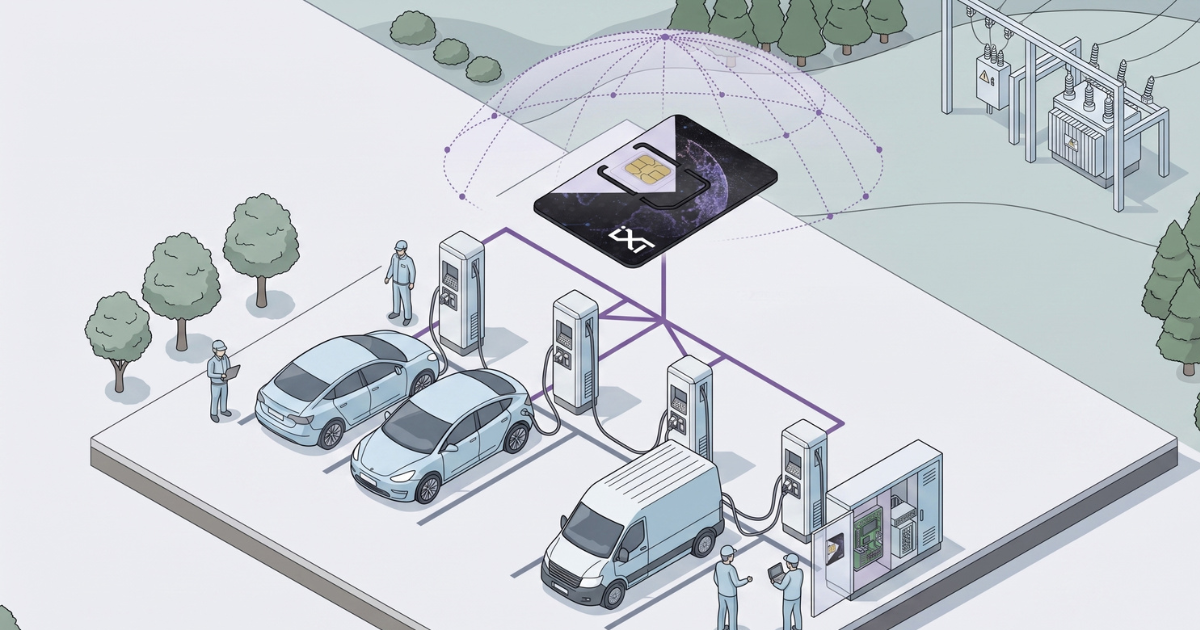
What NIS2 asks of IoT and OT connectivity in EV charging networks, which Article 21(2) technical controls apply, and what stays your responsibility.
The five layers of a modern IoT connectivity architecture, from SIM identity to Zero Trust enforcement, and where cross-border deployments break.
A private APN keeps industrial IoT traffic off the public internet. It does not show what your devices talk to. Here is what closes that gap.
Zero Trust for headless IoT devices moves enforcement off the device into the network, so sensors that run no software still get identity-based access.
A global IoT SIM connects devices across countries and mobile networks on one contract. Here is how IoT SIM cards authenticate, roam, and stay under control.
How to secure cross-border cellular IoT with Zero Trust, private APNs and multi-IMSI resilience. A practical guide for enterprise IoT and network security leaders.





.png)
.png)