What is the security layer in IoT connectivity
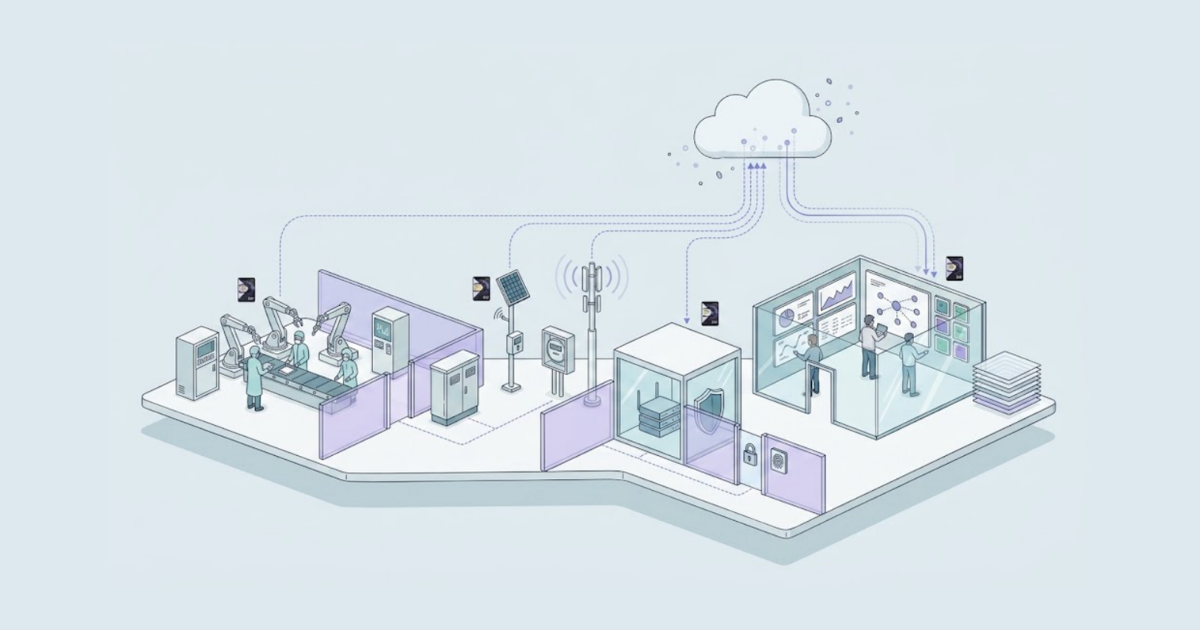
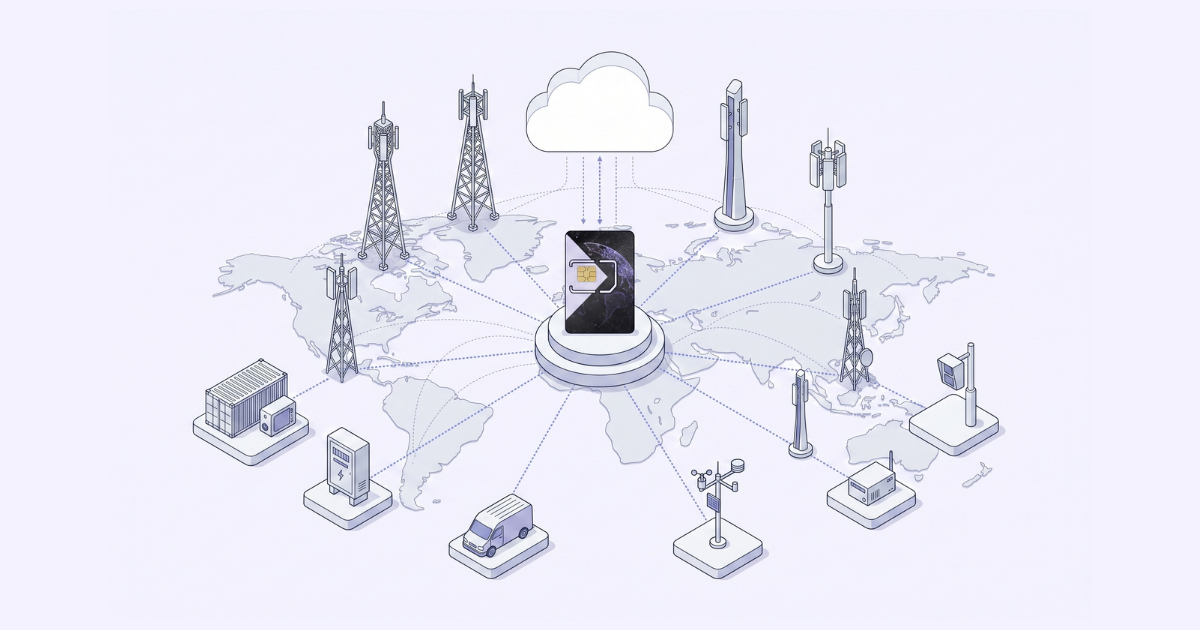
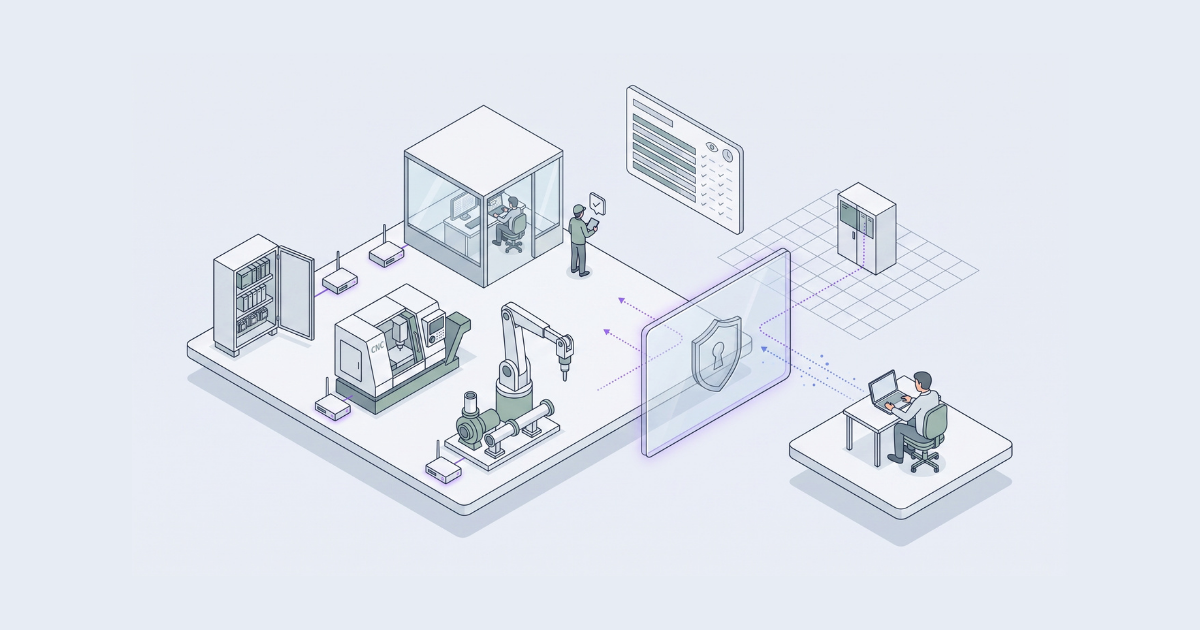
The four IoT architecture layers explain how data moves, not how it is protected. Here is what the security layer does, and where it belongs.
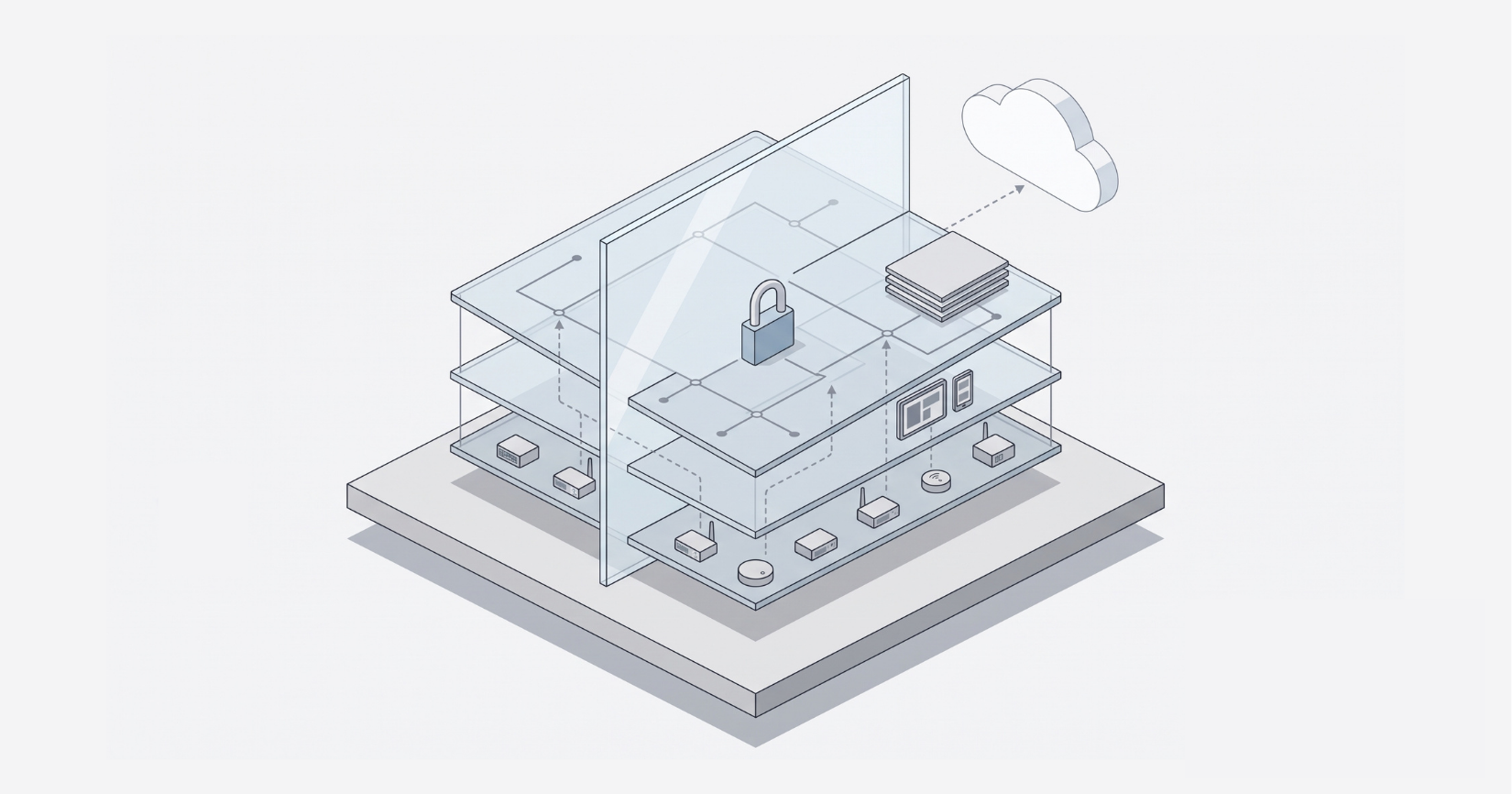
The four IoT architecture layers explain how data moves, not how it is protected. Here is what the security layer does, and where it belongs.
Filter articles
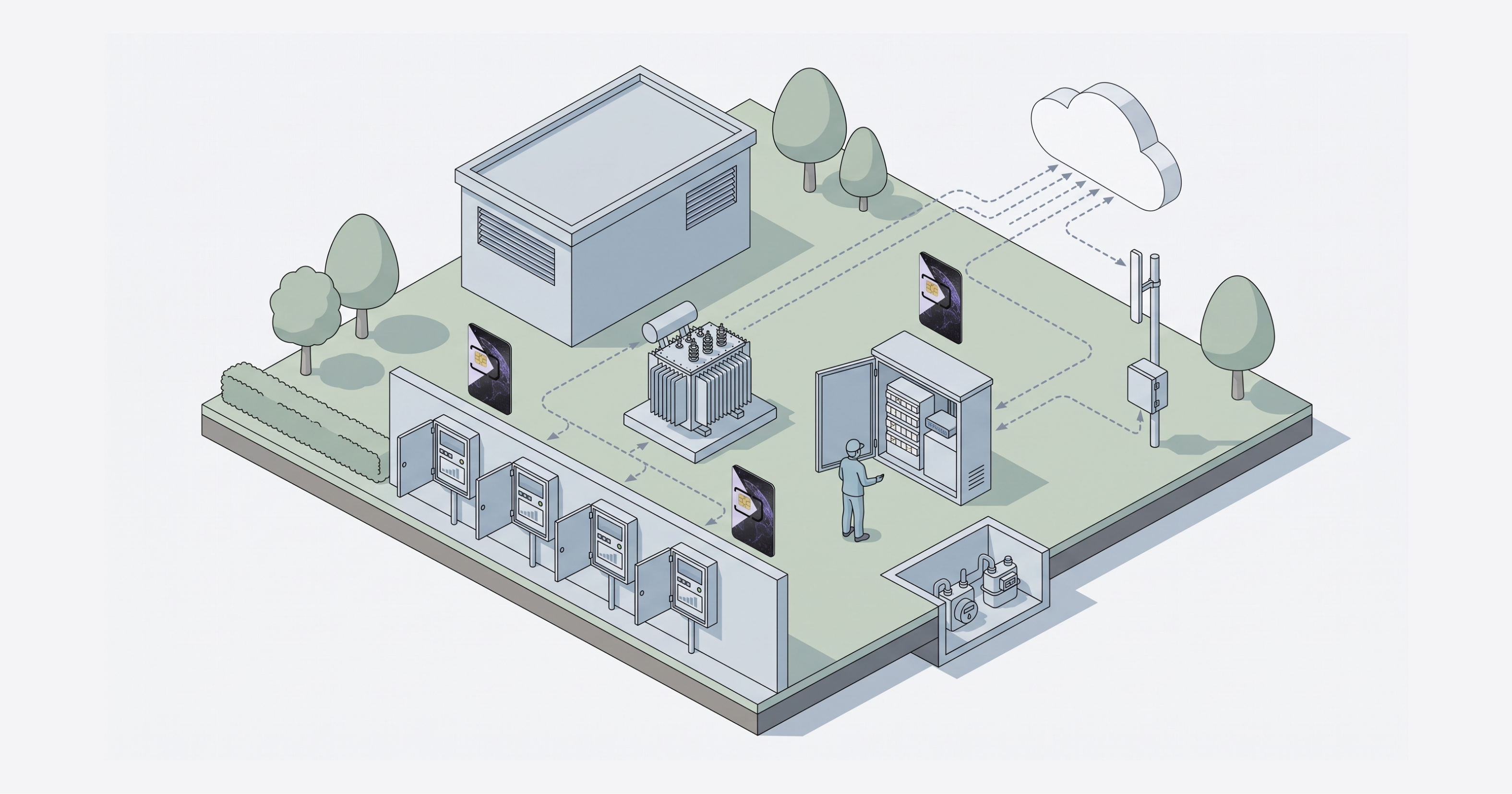
Smart meters cannot run a VPN client, so the tunnel ends upstream and the estate goes flat. What replaces legacy VPNs for utility grid devices in 2026.
Enterprise IoT SIM pricing looks clean until the invoice lands. Where the hidden fees come from, and what predictable per device pricing actually requires.
Compare global IoT connectivity providers on core control, permanent roaming, Zero Trust, real-time visibility and NIS2 evidence. Seven questions to ask.
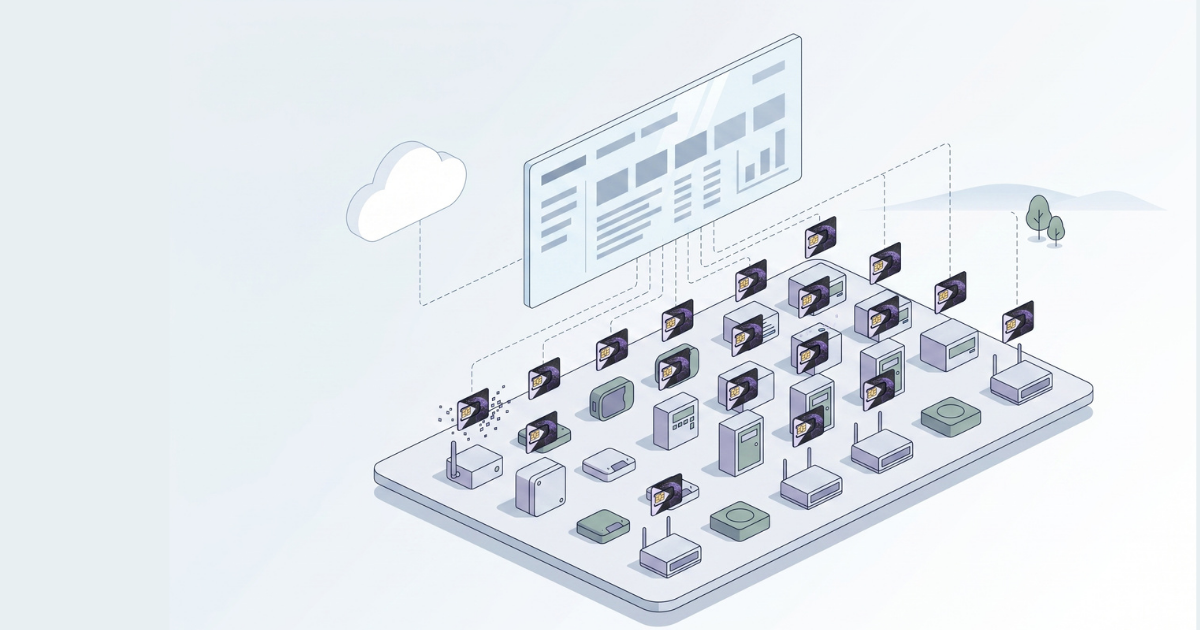
Most IoT devices cannot run security software. Zero Trust protects them anyway, using identity and network policy instead of an agent.
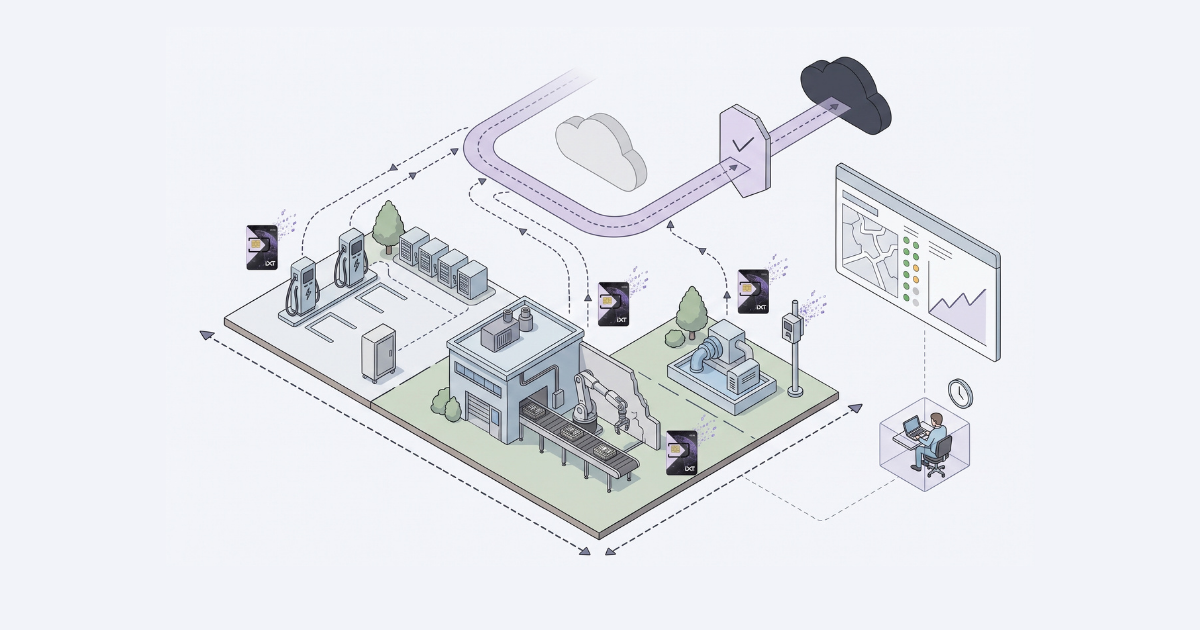
What NIS2 Article 21(2) asks of IoT and OT connectivity: segmentation, access control, visibility, resilience and audit trail, and who owns each part.
A practical guide to global IoT SIMs: how multi network access works, where roaming models break down, and what to check before you commit to a provider.
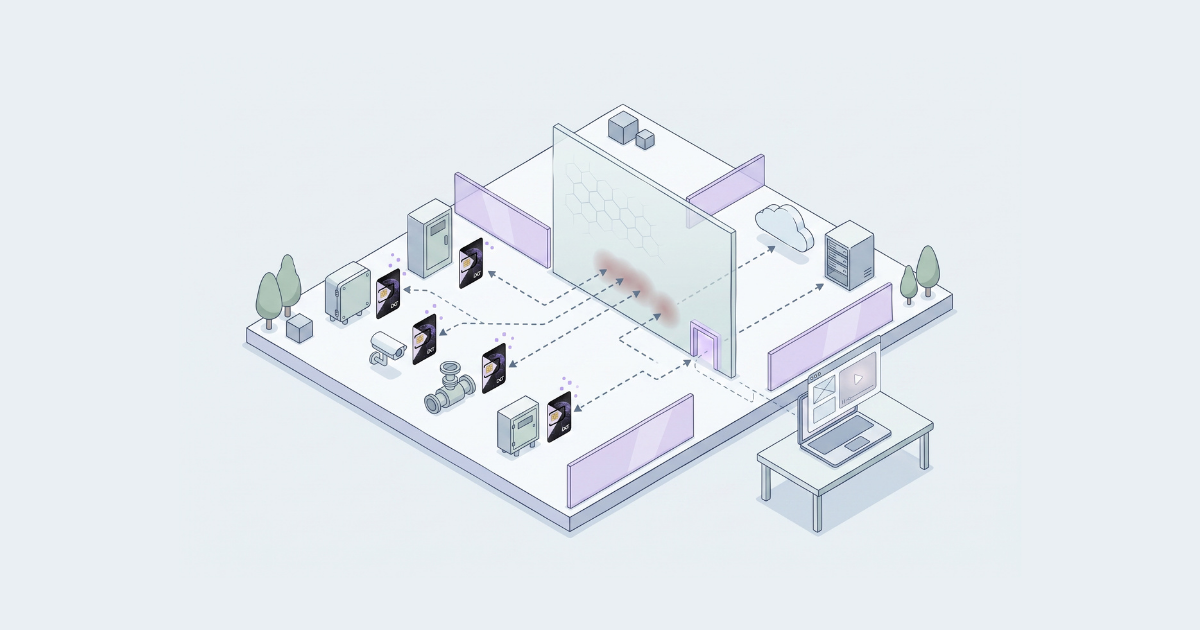
How to give third party vendors remote access to industrial devices without a VPN, using session level control, full auditing and Zero Trust at the network layer.
A private APN keeps industrial IoT traffic off the public internet. Inside, it stays a flat network. Here is what it protects and what it leaves open.