The hidden risks of traditional APN connectivity
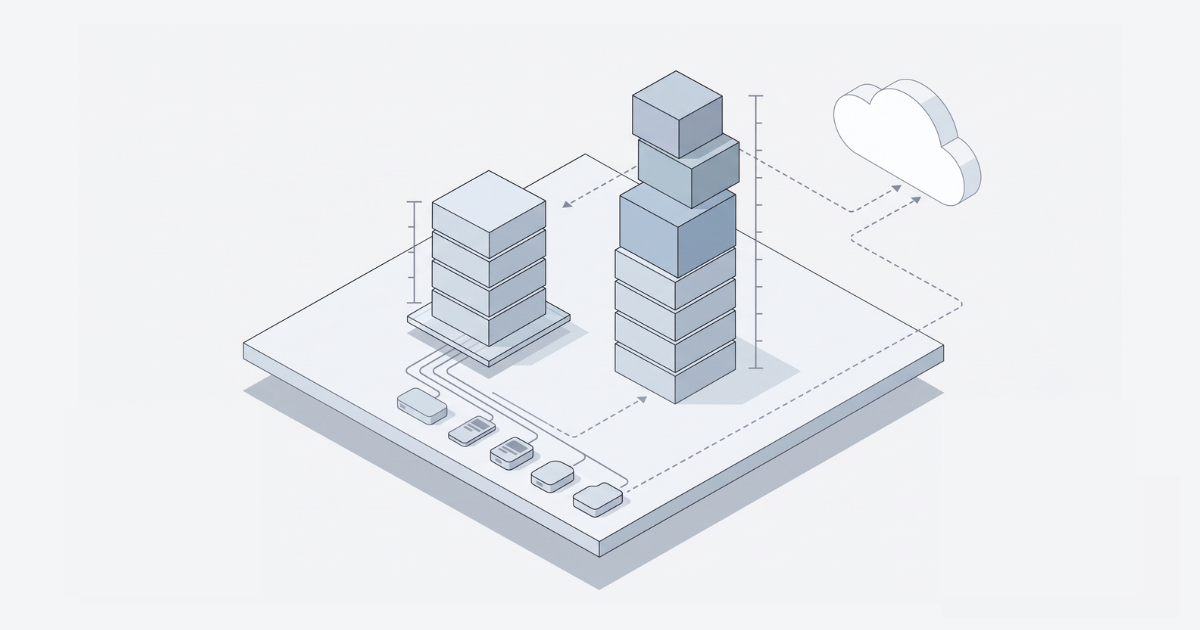
A private APN keeps IoT traffic off the public internet. It does not stop a compromised device reaching the rest of your fleet. Here is what the APN layer leaves undefended, and what closes the gap.
.png)
A private APN keeps IoT traffic off the public internet. It does not stop a compromised device reaching the rest of your fleet. Here is what the APN layer leaves undefended, and what closes the gap.
Filter articles
Zero Trust assumes an agent on every endpoint. Headless IoT devices run none. Here is how identity, least privilege, and audit move into the network instead.
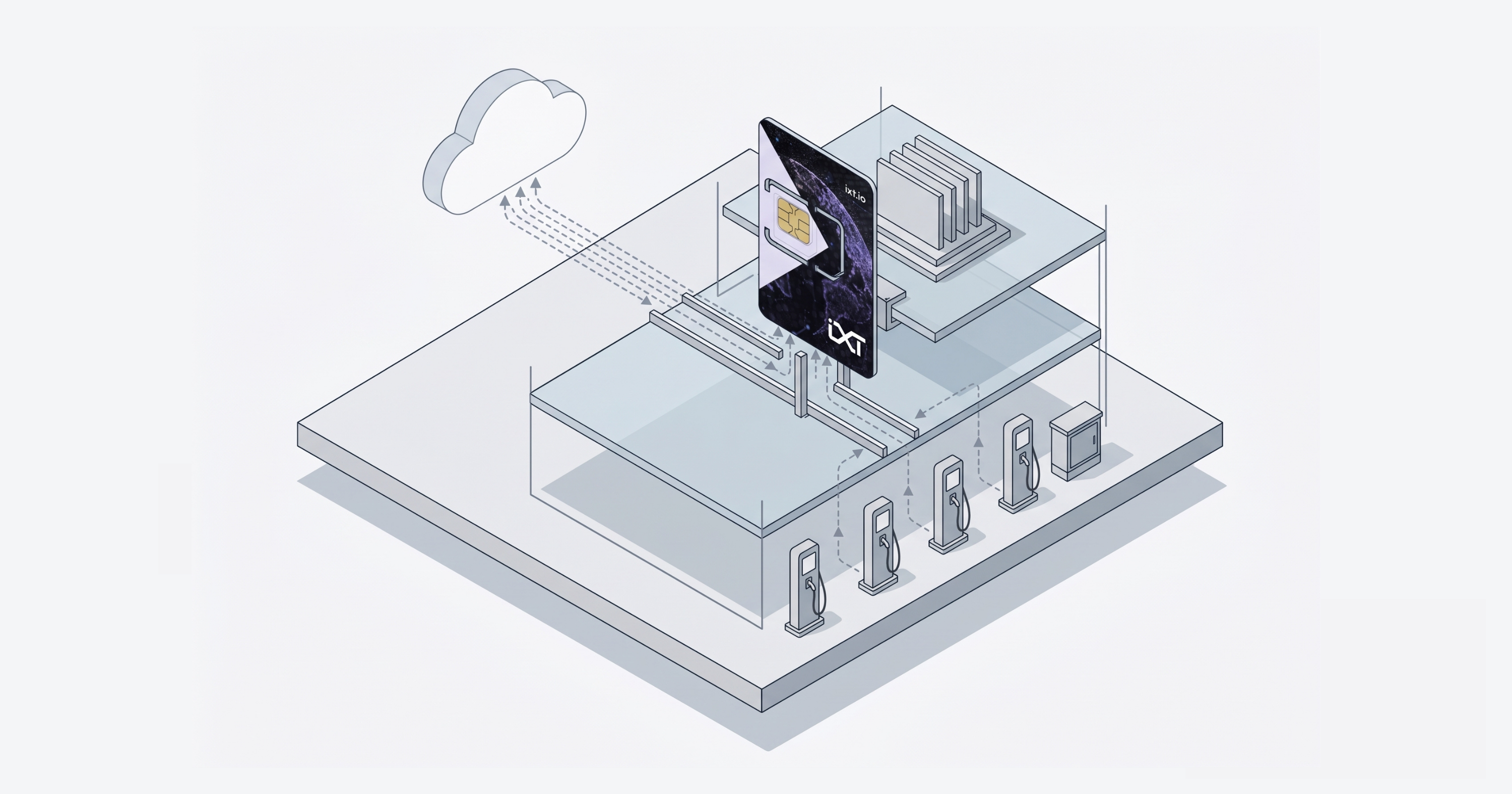
NIS2 names outcomes, not network designs. What Article 21(2) asks of EV charging OT connectivity, and which parts of it remain the operator's own work.
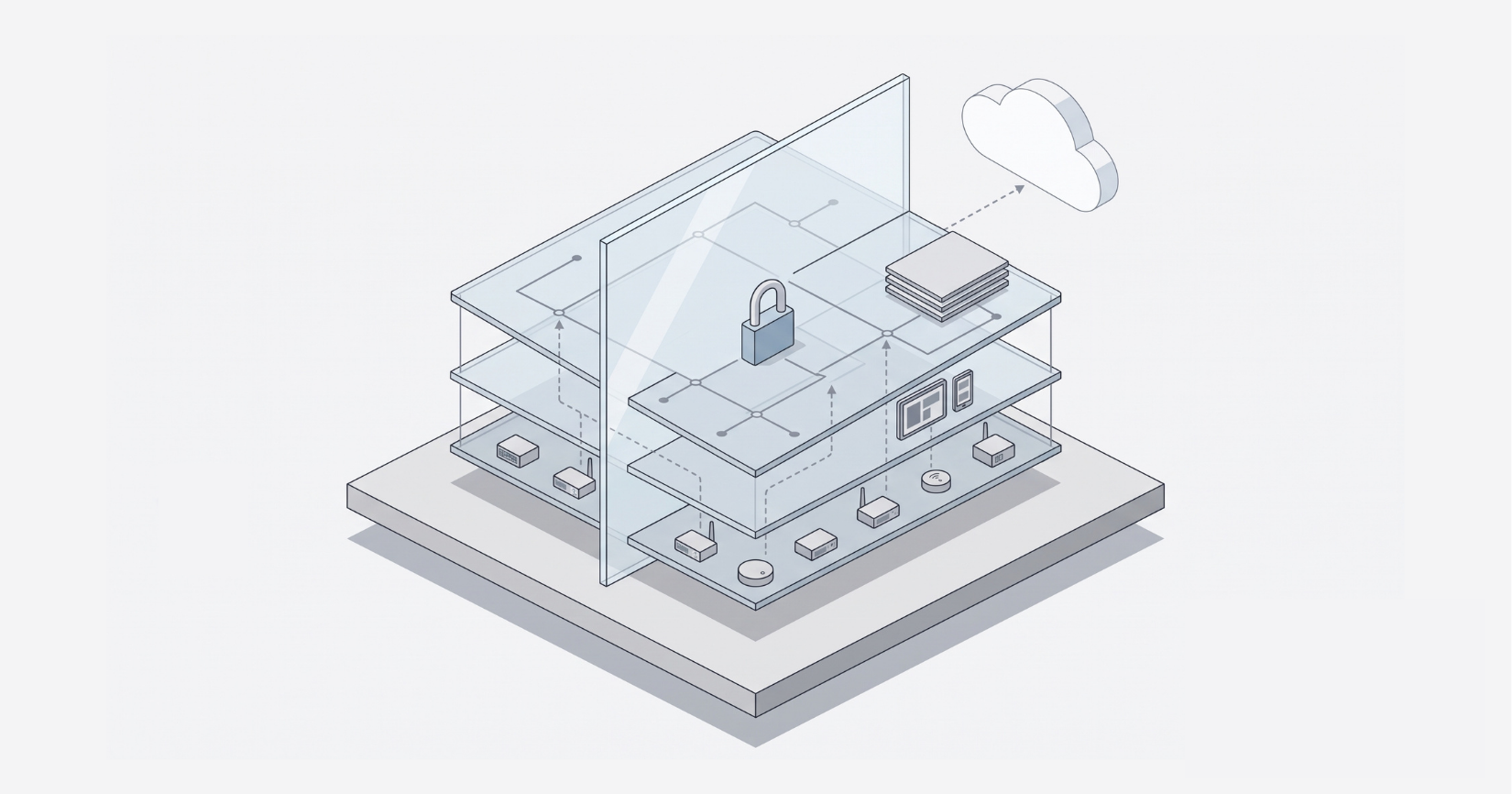
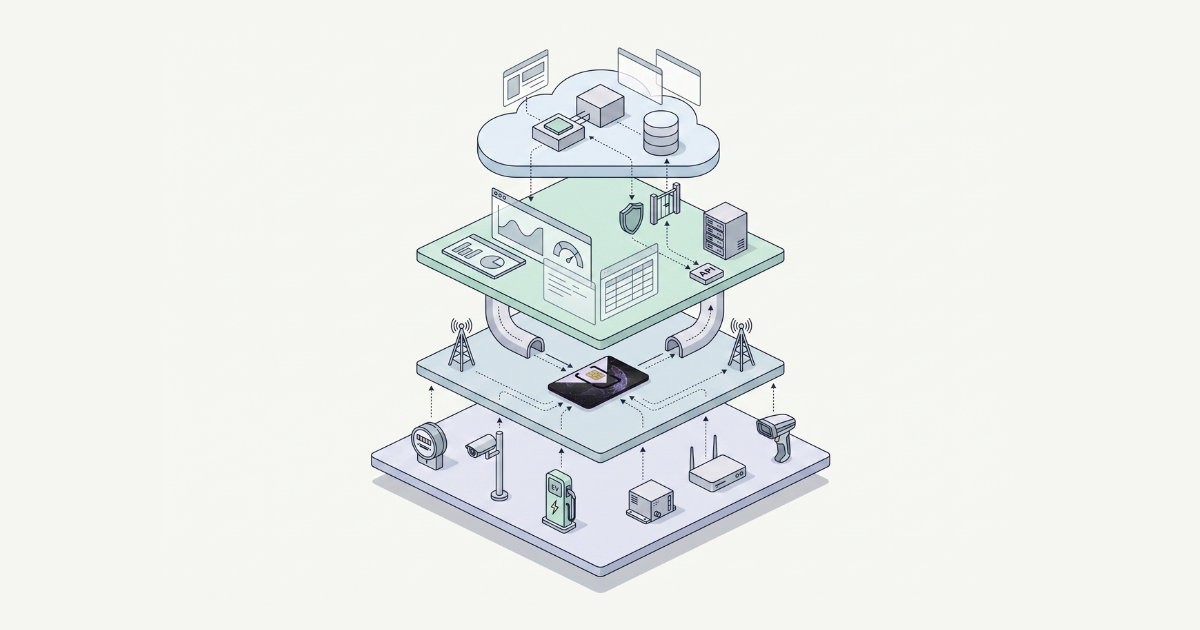
The four IoT architecture layers explain how data moves, not how it is protected. Here is what the security layer does, and where it belongs.
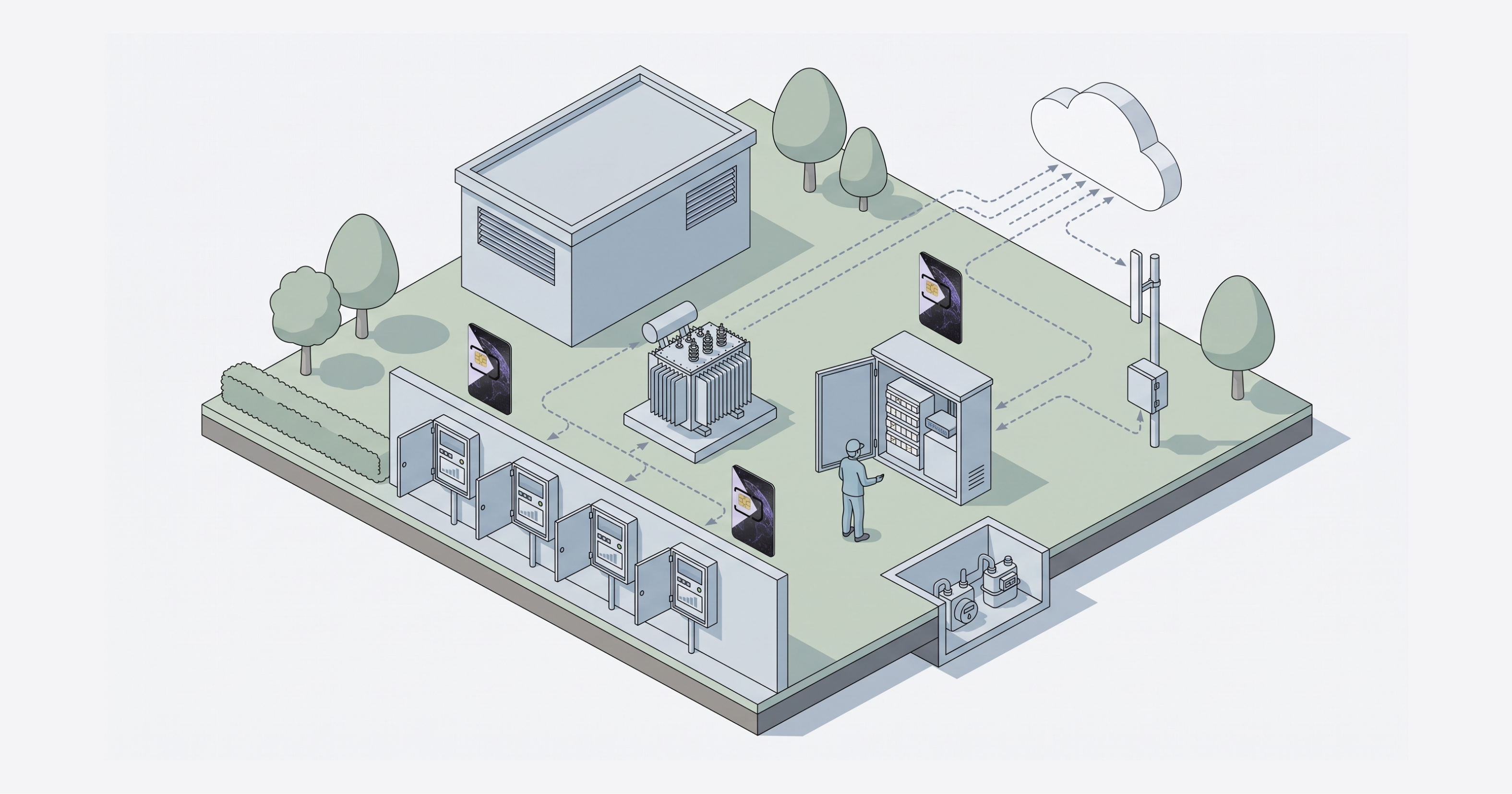
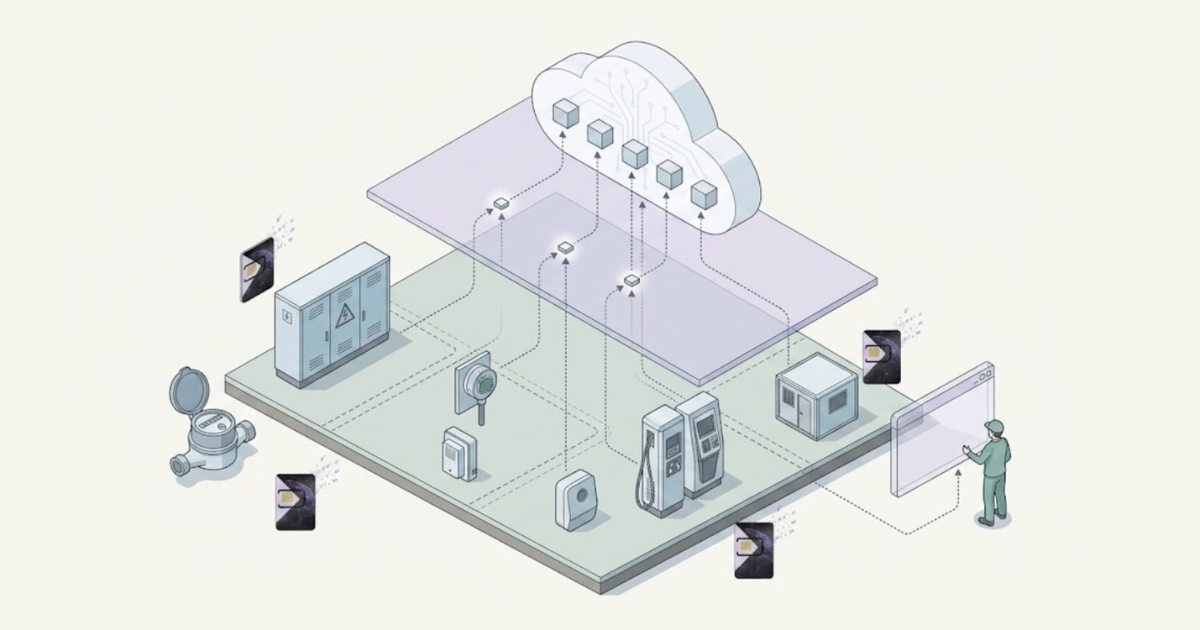
Smart meters cannot run a VPN client, so the tunnel ends upstream and the estate goes flat. What replaces legacy VPNs for utility grid devices in 2026.
The layers of a modern IoT connectivity architecture, what each one owns, and where device identity, private routing, policy enforcement and monitoring belong.
Zero Trust for devices that cannot run security software. How network level identity, least privilege access, and session enforcement protect IoT fleets.
VPNs break at IoT scale because most devices cannot run a client. A step by step path to Zero Trust connectivity for global device fleets.
Permanent roaming restrictions create compliance risk for IoT fleets. How to design local connectivity using multi-IMSI, eUICC, and managed network control.