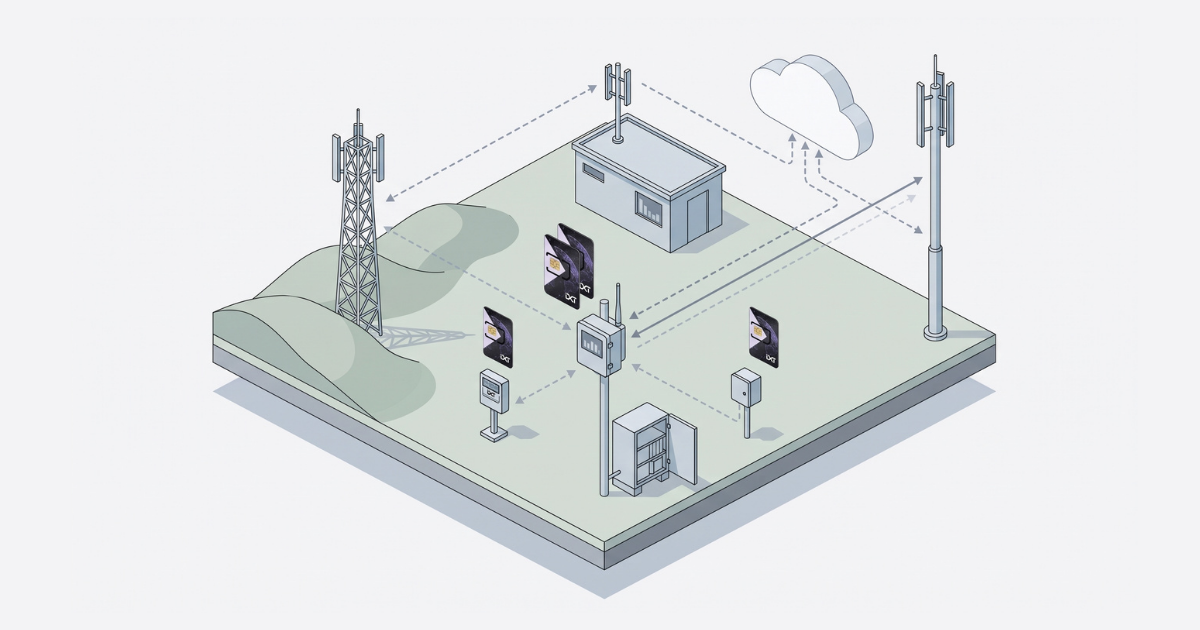
How multi-IMSI and eUICC support IoT compliance
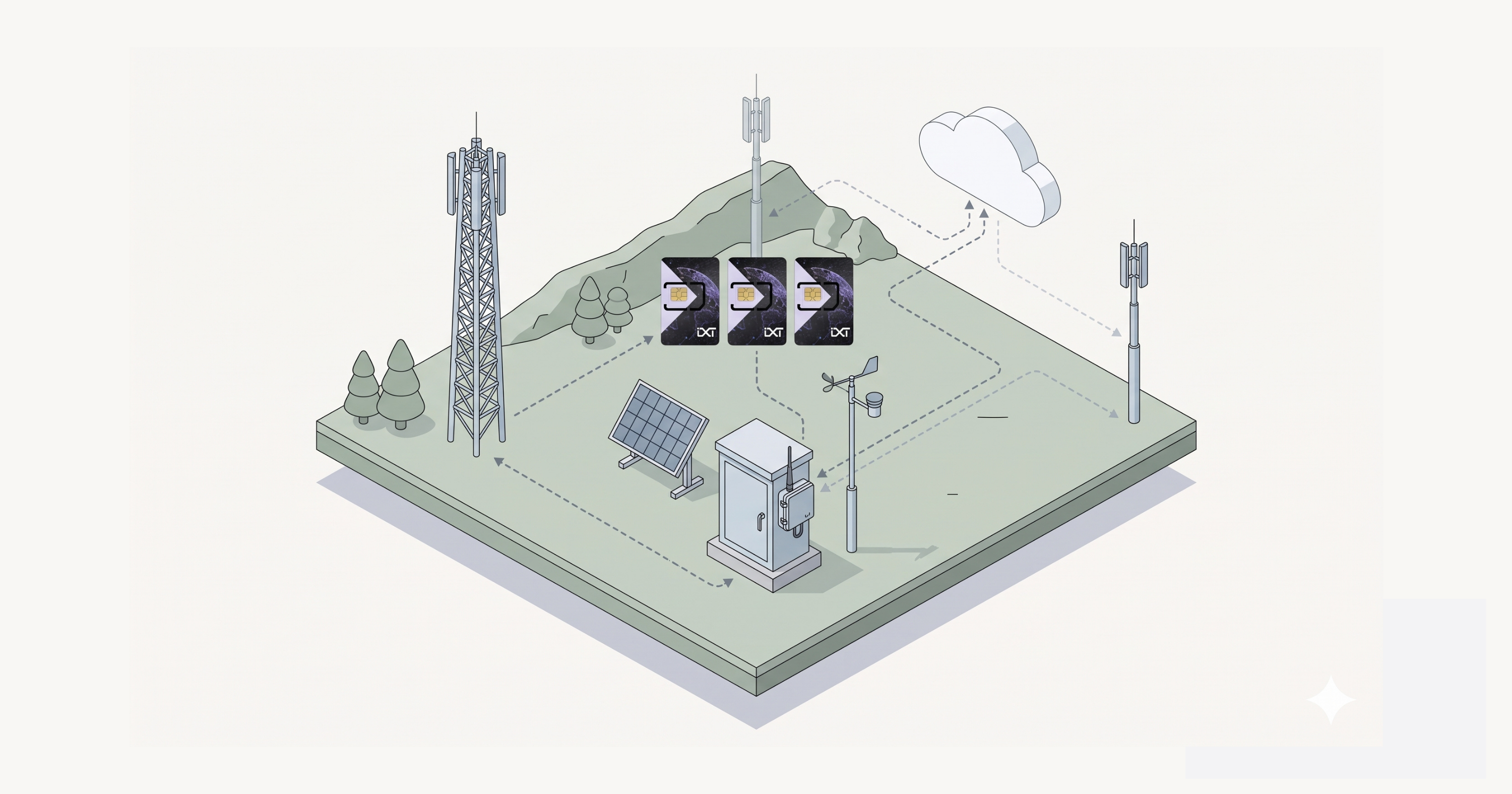
Multi-IMSI and eUICC reduce permanent roaming risk in different ways. How each supports IoT compliance, where each stops, and what to check first.
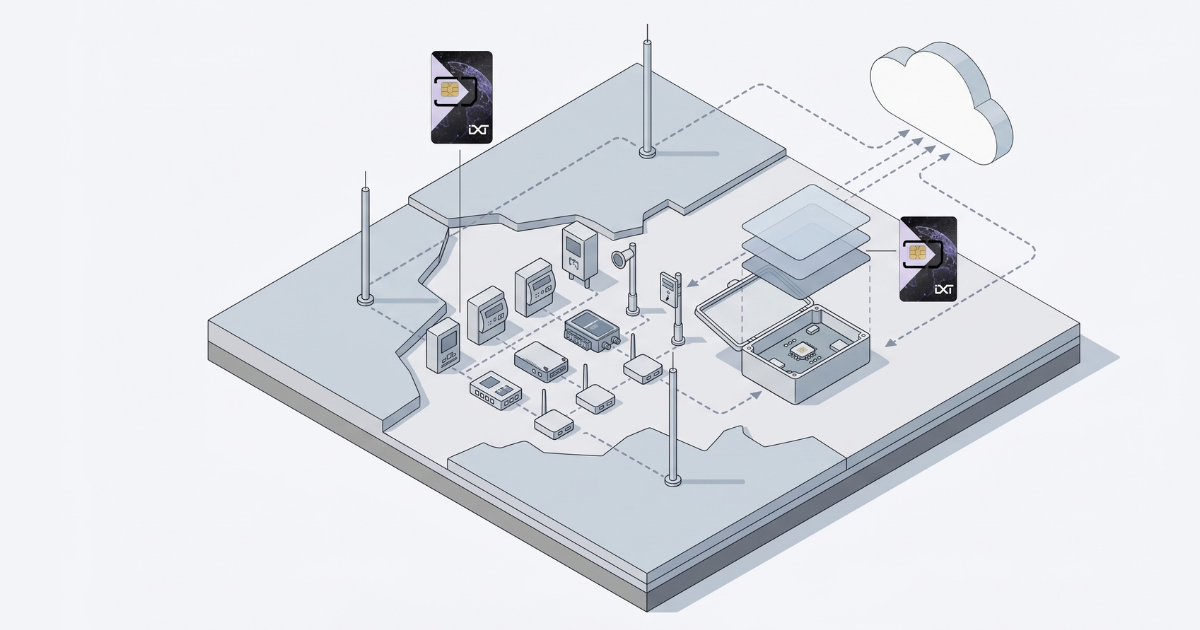
Multi-IMSI and eUICC reduce permanent roaming risk in different ways. How each supports IoT compliance, where each stops, and what to check first.
Filter articles
Where permanent roaming creates IoT compliance risk in 2026, how to assess it by market, and when to use local breakout, multi-IMSI, or eUICC instead.
How IoT data moves from device and radio access through transport, security, management, and cloud, and which control points decide reliability and risk.
OT devices cannot run agents and cannot be patched on an IT cadence. Where OT security differs from IT, and what to enforce at the network layer instead.
A private APN keeps IoT traffic off the public internet. It does not stop a compromised device reaching the rest of your fleet. Here is what the APN layer leaves undefended, and what closes the gap.
Multi-IMSI failover is not constant. Here are the six moments a switch actually triggers, what it fixes, what it does not fix, and what to ask a provider.
NIS2 names outcomes, not network designs. What Article 21(2) asks of EV charging OT connectivity, and which parts of it remain the operator's own work.
Permanent roaming rules stop working IoT deployments. Learn which markets restrict roaming and when to use local breakout, multi IMSI or eUICC instead.
Multi-IMSI lets one SIM hold several operator identities and switch between them. How the switching logic works, and where it beats single network coverage.



.png)