How IoT Connectivity Layers Work Together
The layers of a modern IoT connectivity architecture, what each one owns, and where device identity, private routing, policy enforcement and monitoring belong.
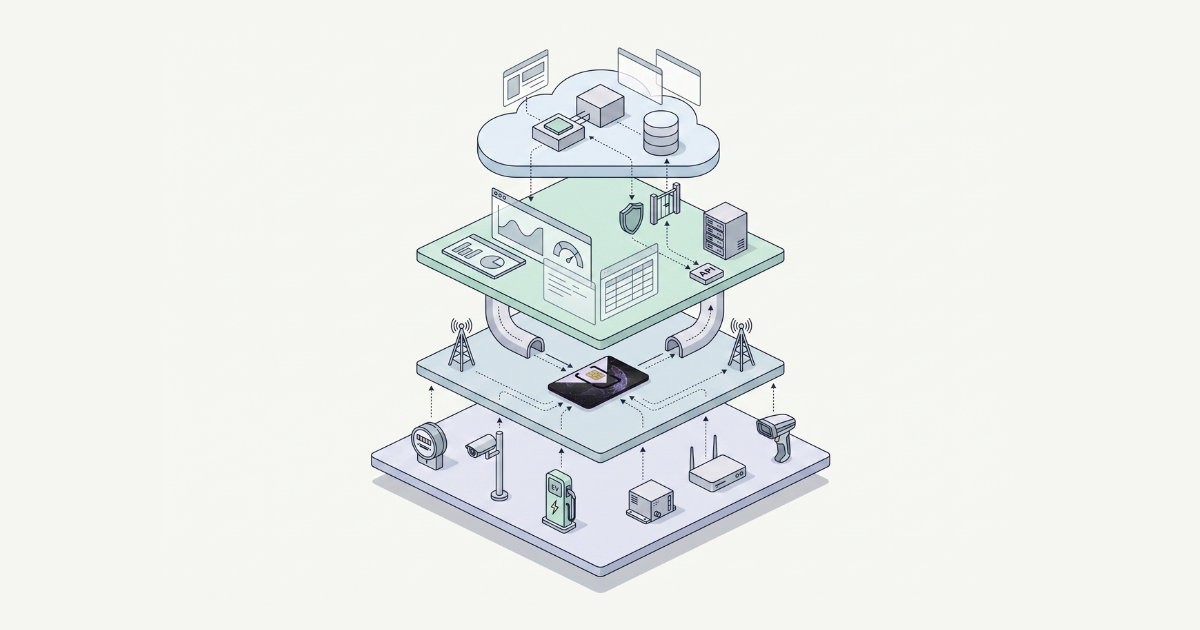
The layers of a modern IoT connectivity architecture, what each one owns, and where device identity, private routing, policy enforcement and monitoring belong.
Filter articles
Zero Trust for devices that cannot run security software. How network level identity, least privilege access, and session enforcement protect IoT fleets.
VPNs break at IoT scale because most devices cannot run a client. A step by step path to Zero Trust connectivity for global device fleets.
Compare multi-carrier IoT monitoring platforms on data freshness, traffic visibility and API access. Most dashboards report a day late. Here is what to ask.
Permanent roaming restrictions create compliance risk for IoT fleets. How to design local connectivity using multi-IMSI, eUICC, and managed network control.
Which markets restrict permanent roaming for IoT, why devices get disconnected, and how multi-IMSI, eUICC, and local profiles keep deployments compliant.
On a perimeter, the intruder picks the time and the place, and that includes the weakest point in your radio coverage. What the alarm transmission standards already assume.
Why rail IoT connectivity breaks at borders, in tunnels and on rural track, what that costs in fleet availability, and what a cross-border architecture needs.
IP cameras, NVRs and access controllers now rank among the riskiest devices on enterprise networks. How private routing and Zero Trust close the gap without software on the device.