IoT SIM vs eSIM for global deployments in 2026
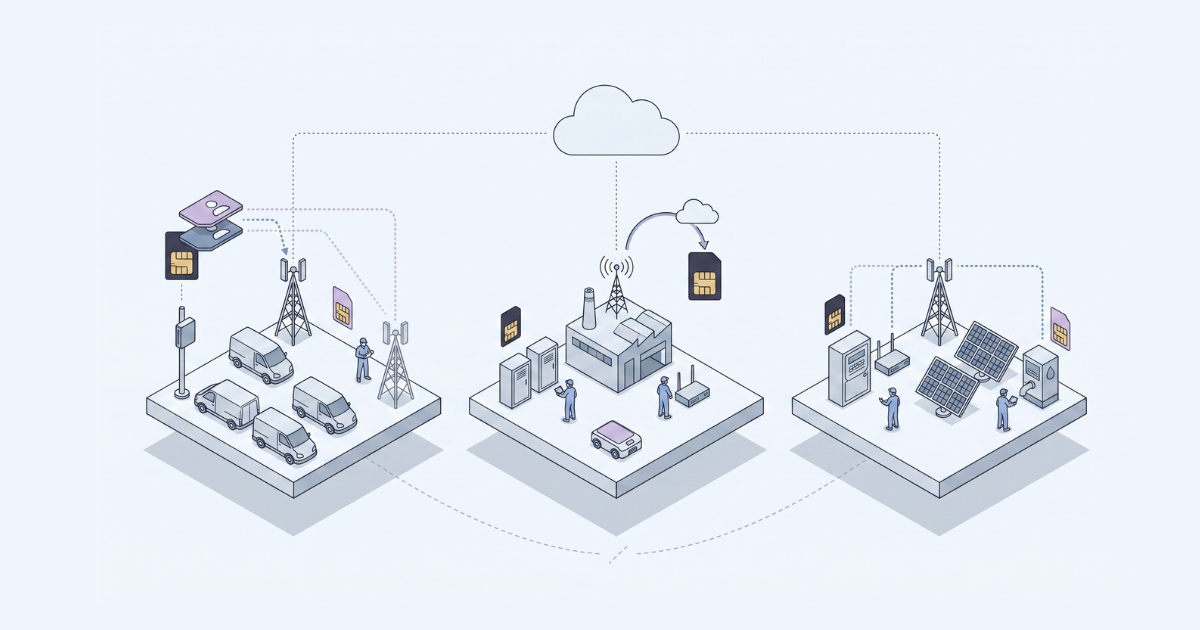
IoT SIM, eSIM or iSIM for a multi country deployment? Compare them on roaming rules, local compliance, remote provisioning and field replaceability.
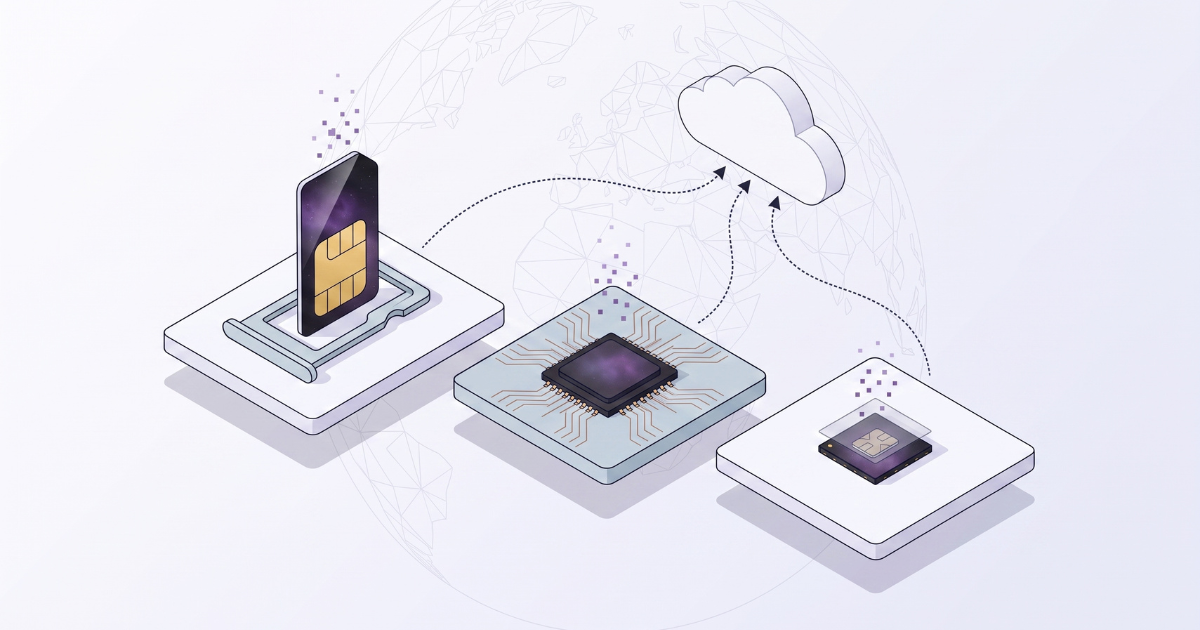
IoT SIM, eSIM or iSIM for a multi country deployment? Compare them on roaming rules, local compliance, remote provisioning and field replaceability.
Filter articles
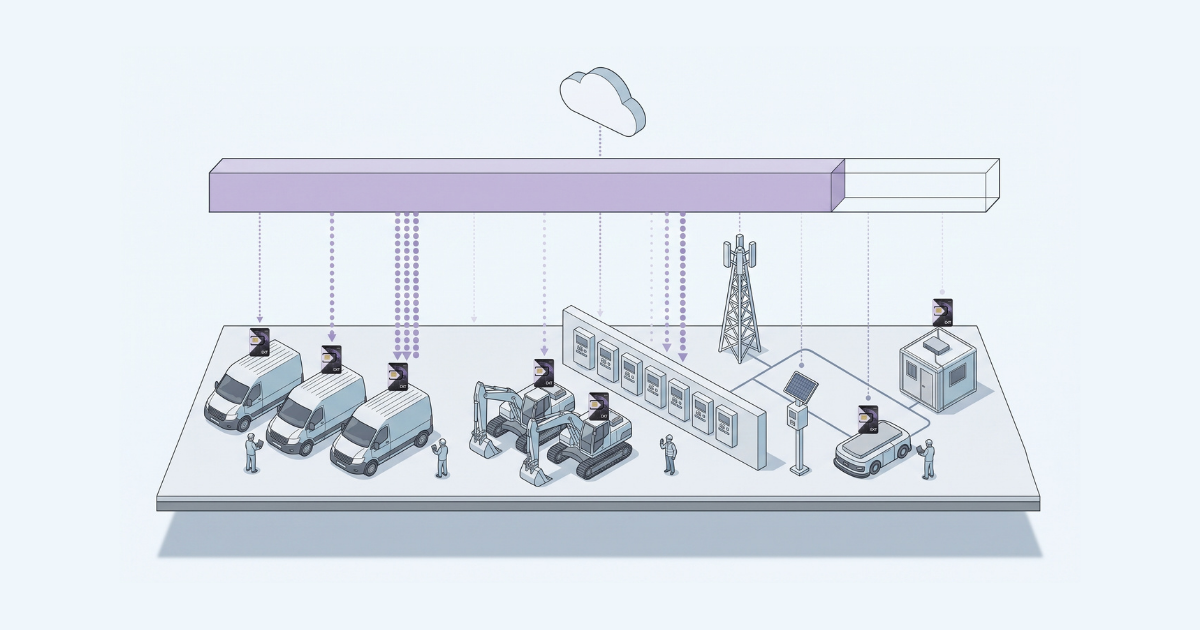
IoT SIM data pooling shares one allowance across the fleet, so busy devices draw on idle ones. How to size a pool, and what happens when it runs dry.
Permanent roaming looks like it works until a regulator or an operator ends it. What multi-IMSI, eUICC, and local connectivity give you instead.
Enterprise IoT SIM pricing looks clean until the invoice lands. Where the hidden fees come from, and what predictable per device pricing actually requires.
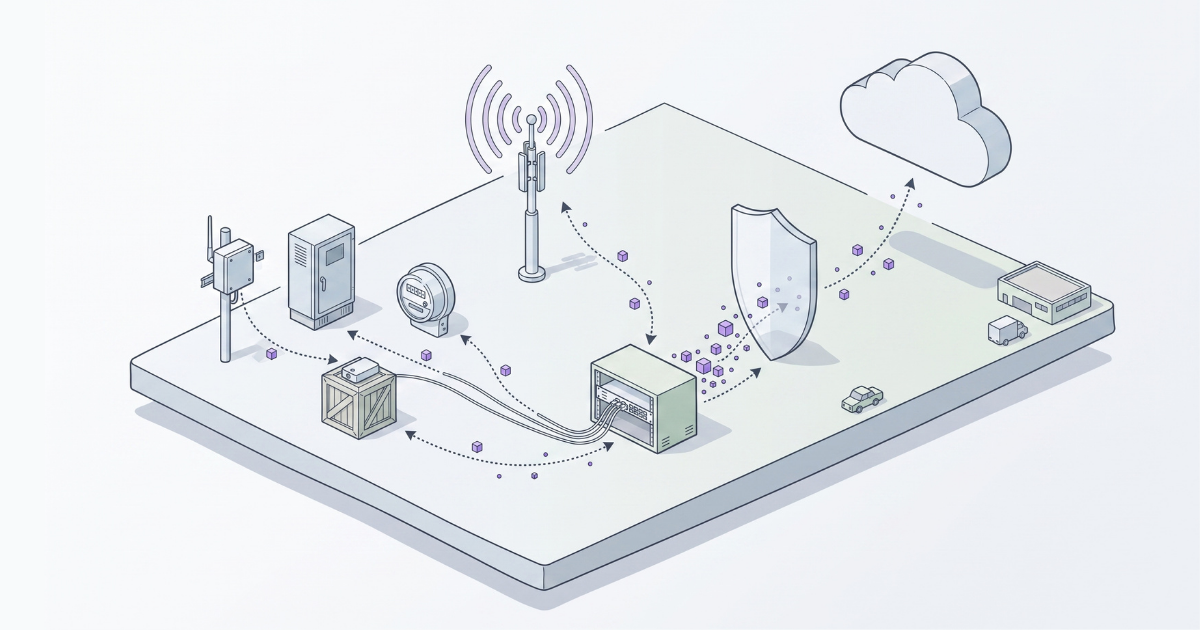
The network layer connects and secures IoT devices using protocols like MQTT, CoAP, and cellular. Here is how it fits into IoT architecture.
Compare global IoT connectivity providers on core control, permanent roaming, Zero Trust, real-time visibility and NIS2 evidence. Seven questions to ask.
Most IoT devices cannot run security software. Zero Trust protects them anyway, using identity and network policy instead of an agent.
What NIS2 Article 21(2) asks of IoT and OT connectivity: segmentation, access control, visibility, resilience and audit trail, and who owns each part.
A practical guide to global IoT SIMs: how multi network access works, where roaming models break down, and what to check before you commit to a provider.