Everything you need to know about OT vendor access
How to give third party vendors remote access to industrial devices without a VPN, using session level control, full auditing and Zero Trust at the network layer.
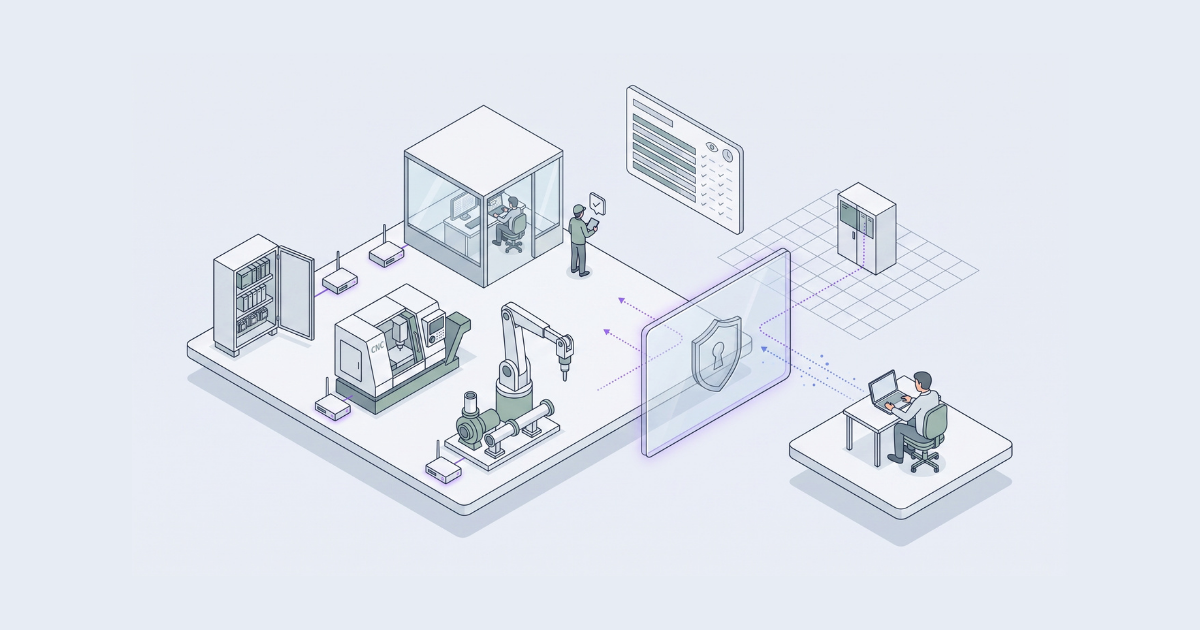
How to give third party vendors remote access to industrial devices without a VPN, using session level control, full auditing and Zero Trust at the network layer.
Filter articles
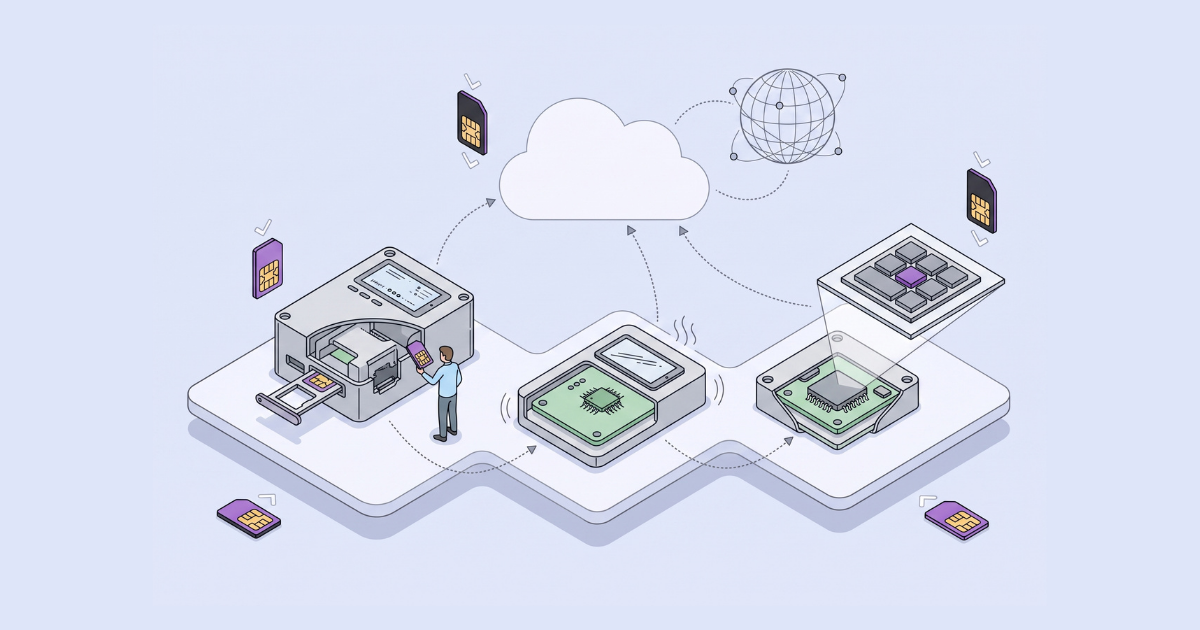
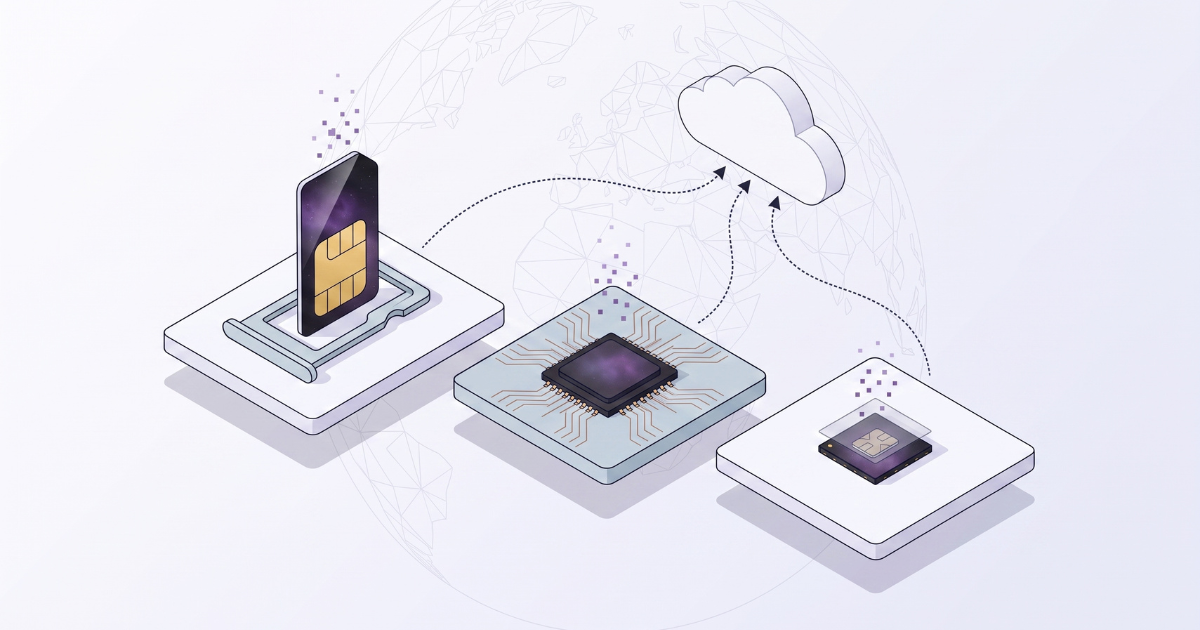
SIM, eSIM and iSIM compared for multi country IoT deployments, covering roaming compliance, remote provisioning and long term operational fit at fleet size.

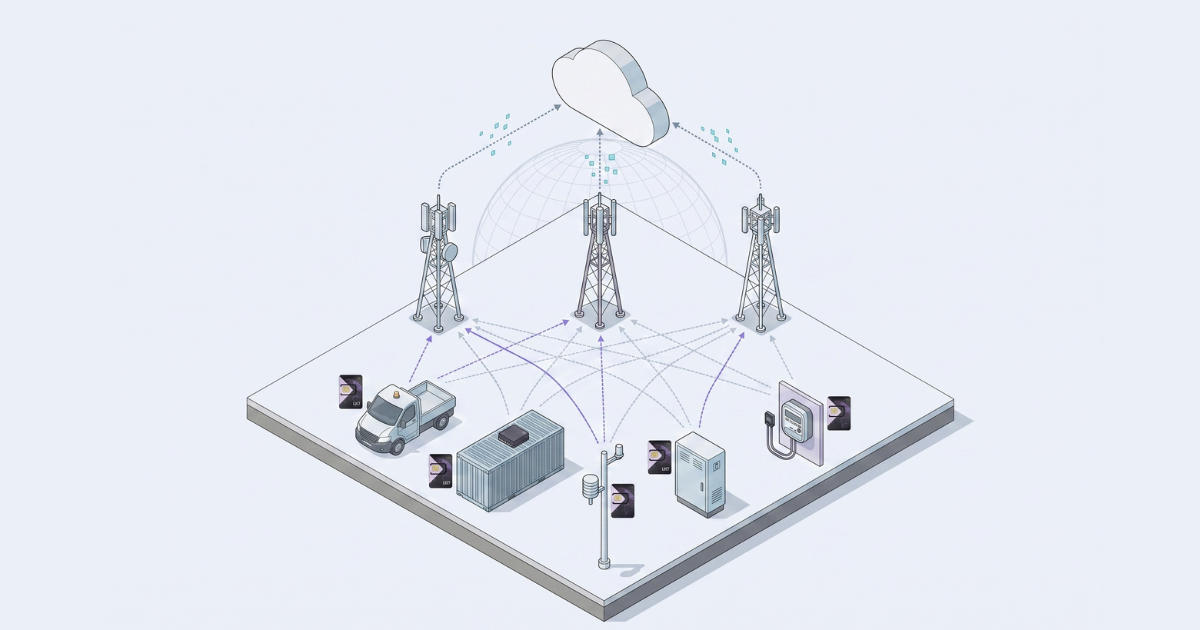
A practical guide to designing multi-IMSI failover for global IoT fleets: profile strategy, switching policy, testing, redundancy limits and procurement questions.
A private APN keeps industrial IoT traffic off the public internet. Inside, it stays a flat network. Here is what it protects and what it leaves open.
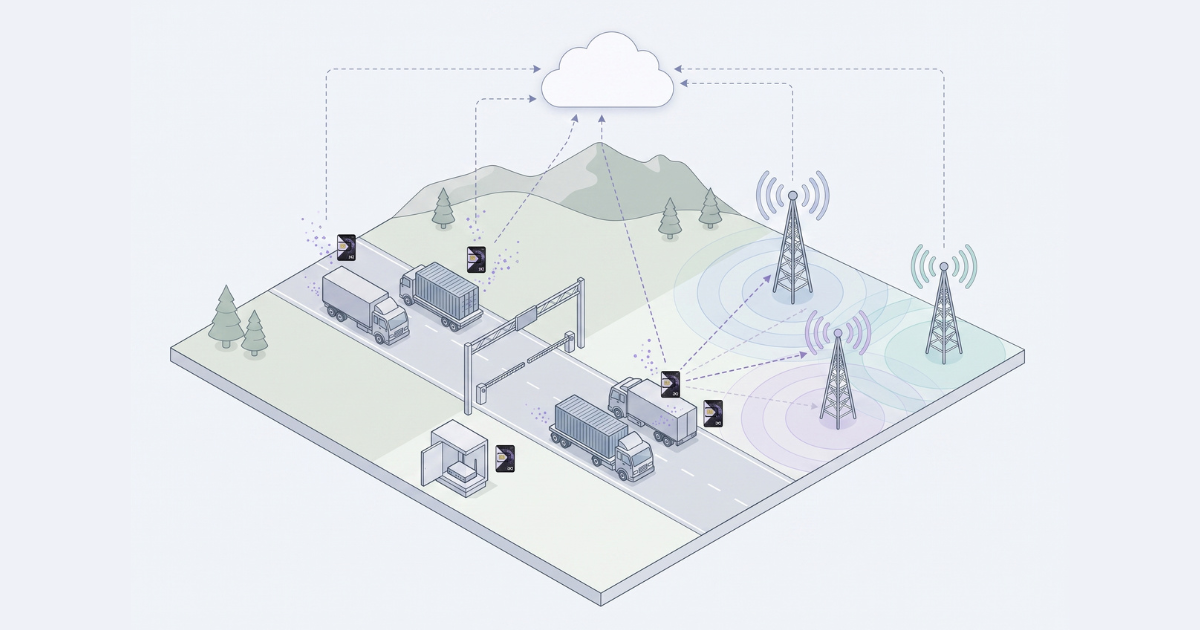
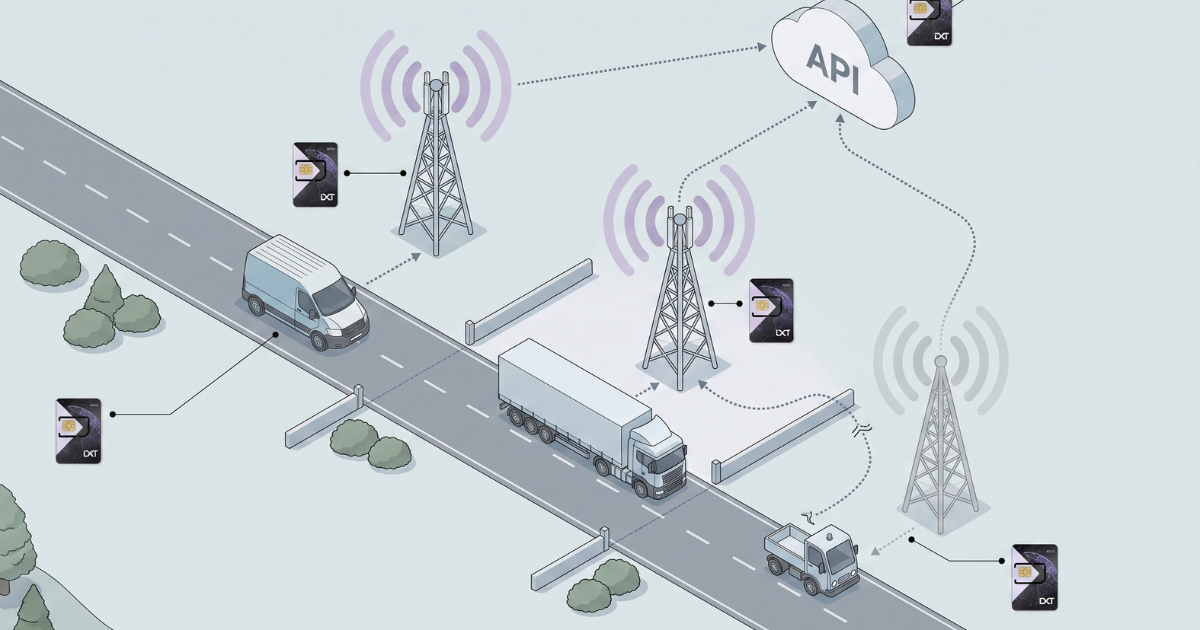
Multi-IMSI gives an IoT device more than one network to fall back on. Eight specific ways that cuts downtime for device fleets crossing borders.
Multi-IMSI and eUICC give a global IoT fleet more than one route onto a network. Design criteria, failure modes, and the tradeoffs to plan for.
A decision-stage comparison of SIM, eSIM and iSIM for multi-country IoT fleets, mapping roaming rules, remote provisioning and lifecycle cost to real rollouts.
The layers of a modern IoT connectivity architecture, what each one owns, and where device identity, private routing, policy enforcement and monitoring belong.
Multi-IMSI reduces single carrier dependency for IoT fleets. How failover actually works, where it helps across borders, and what it does not fix.