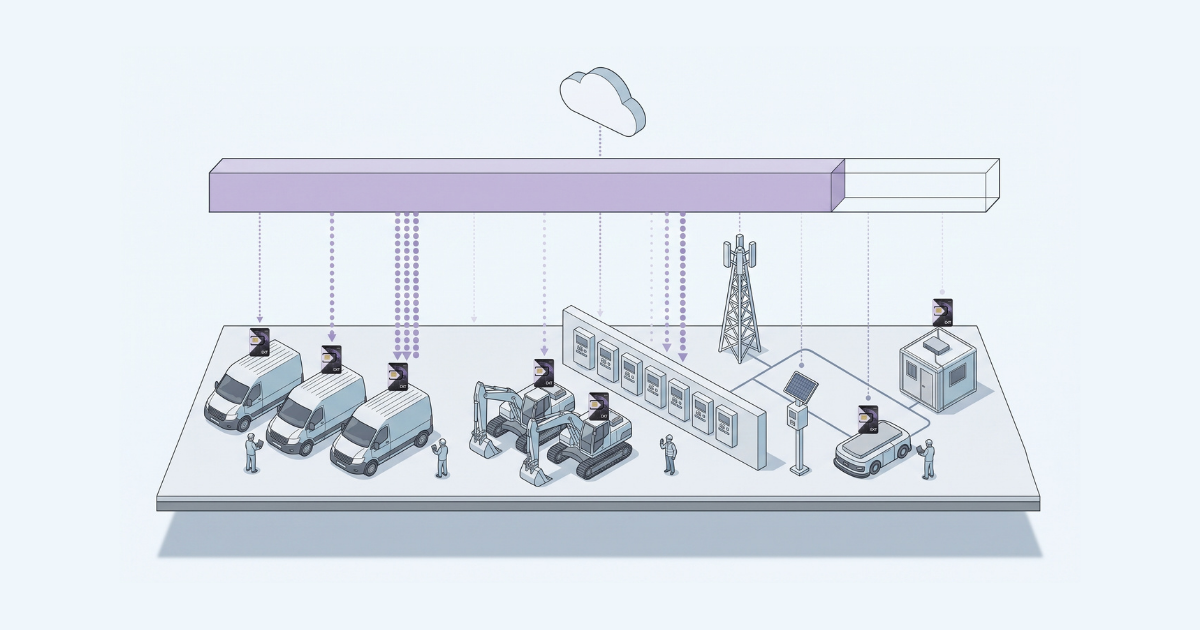
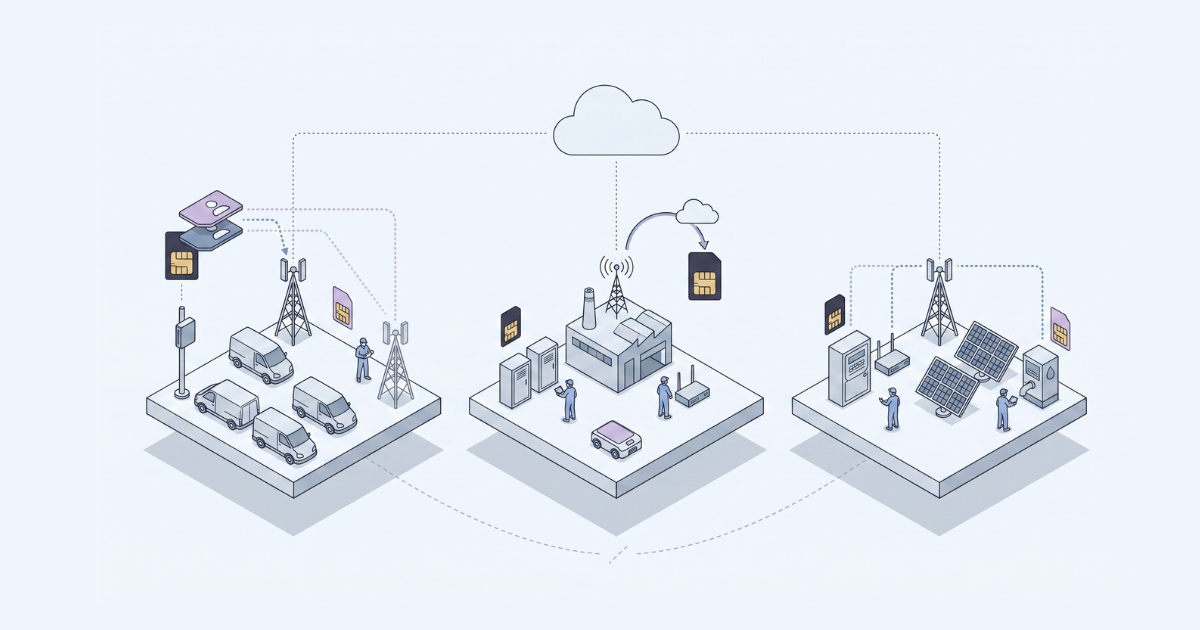
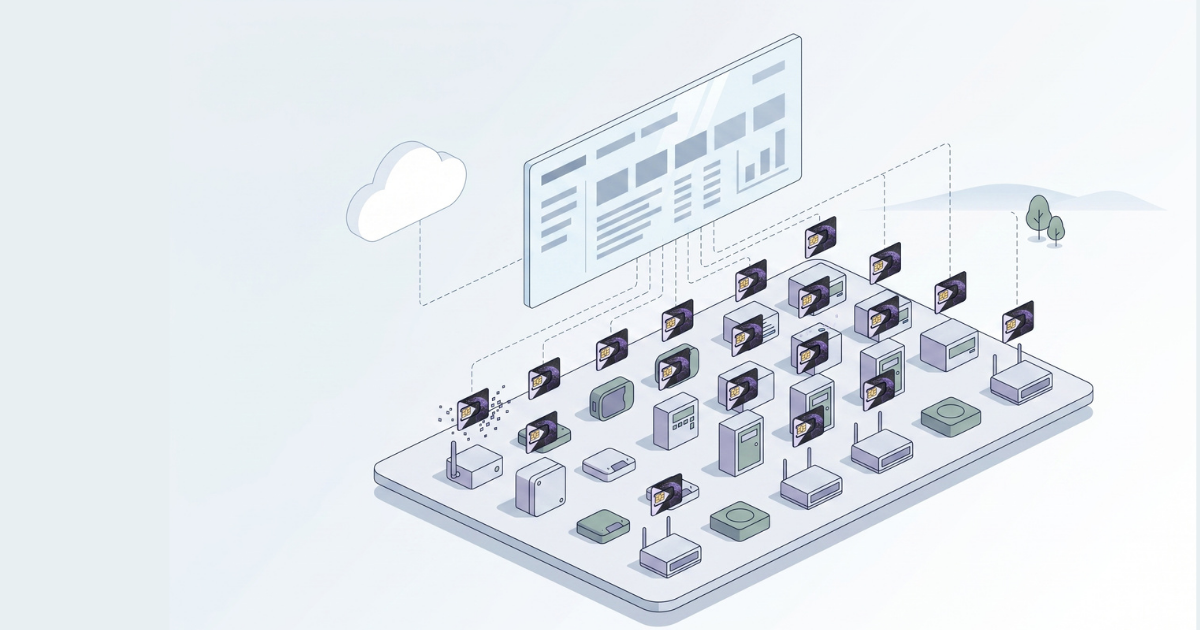
What is the security layer in IoT connectivity
The four IoT architecture layers explain how data moves, not how it is protected. Here is what the security layer does, and where it belongs.

The four IoT architecture layers explain how data moves, not how it is protected. Here is what the security layer does, and where it belongs.
Filter articles
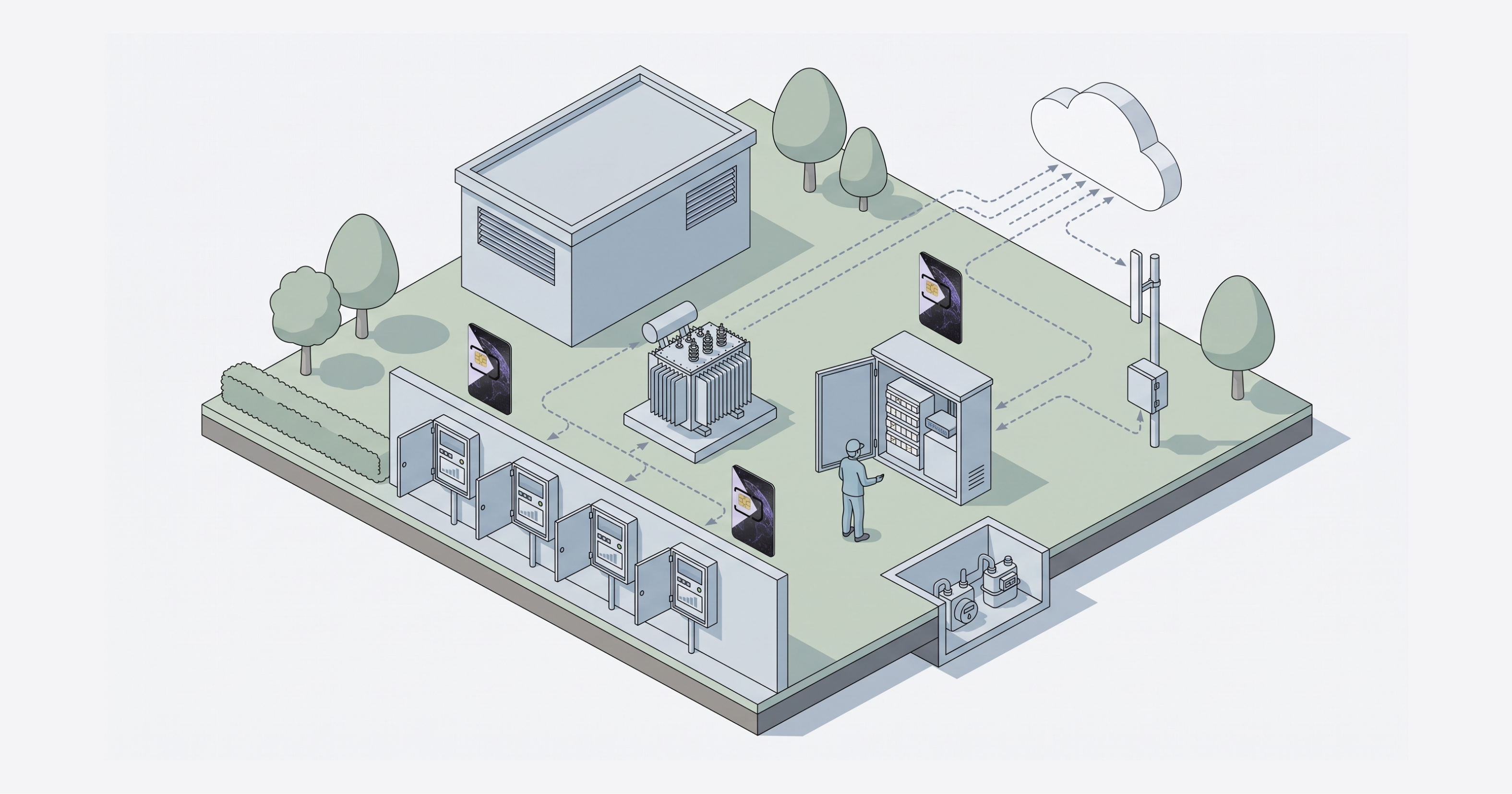
Smart meters cannot run a VPN client, so the tunnel ends upstream and the estate goes flat. What replaces legacy VPNs for utility grid devices in 2026.
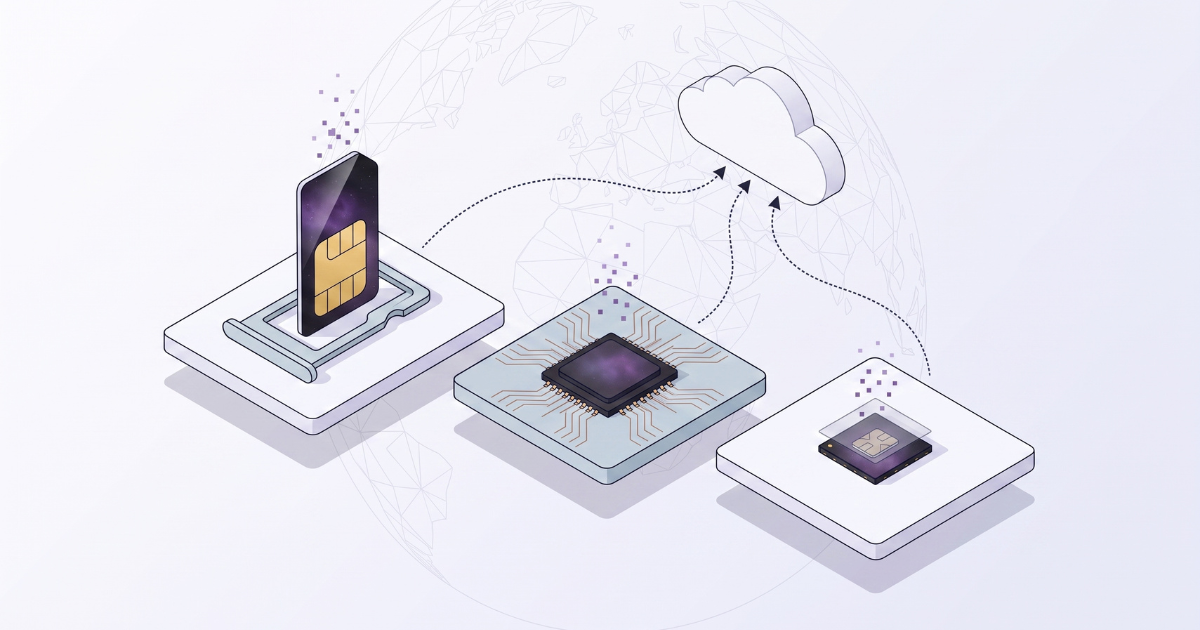
Roaming rules, local compliance and remote provisioning decide the SIM form factor, not the hardware. A buyer's comparison of SIM, eSIM and iSIM.
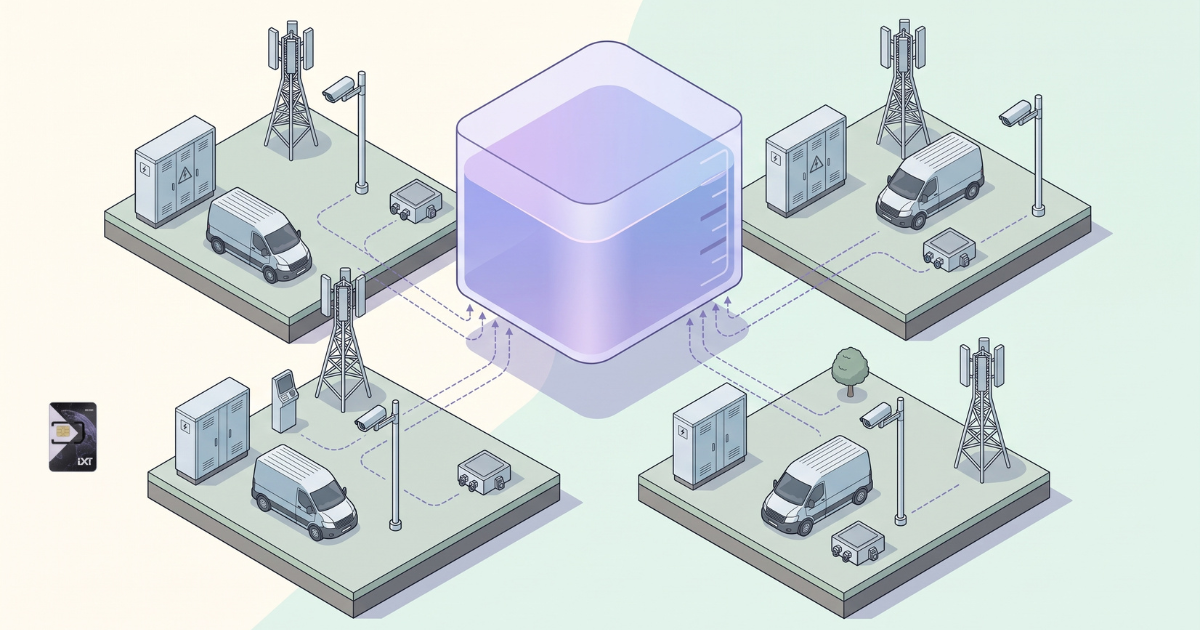
IoT SIM data pooling shares one allowance across every device and country. How pooling works, how to size a pool, and where it breaks across borders.
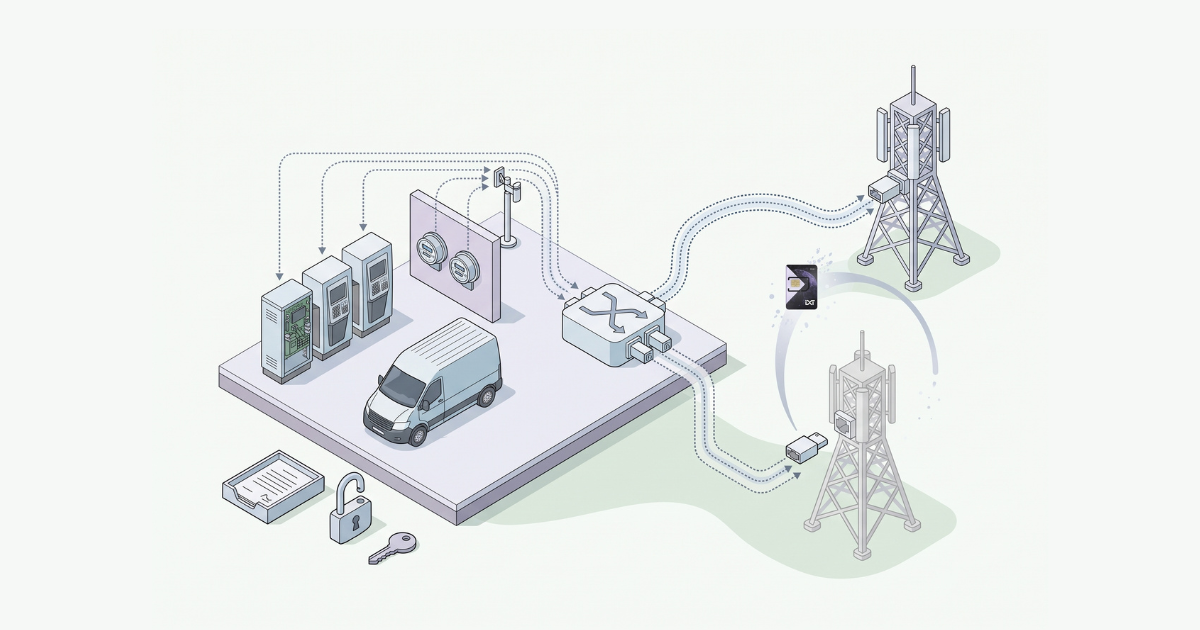
Vendor lock-in in IoT connectivity is decided before you sign. How to test portability, eUICC readiness and contract exit paths while you still have leverage.
IoT SIM, eSIM or iSIM for a multi country deployment? Compare them on roaming rules, local compliance, remote provisioning and field replaceability.
IoT SIM data pooling shares one allowance across the fleet, so busy devices draw on idle ones. How to size a pool, and what happens when it runs dry.
Permanent roaming looks like it works until a regulator or an operator ends it. What multi-IMSI, eUICC, and local connectivity give you instead.
Enterprise IoT SIM pricing looks clean until the invoice lands. Where the hidden fees come from, and what predictable per device pricing actually requires.