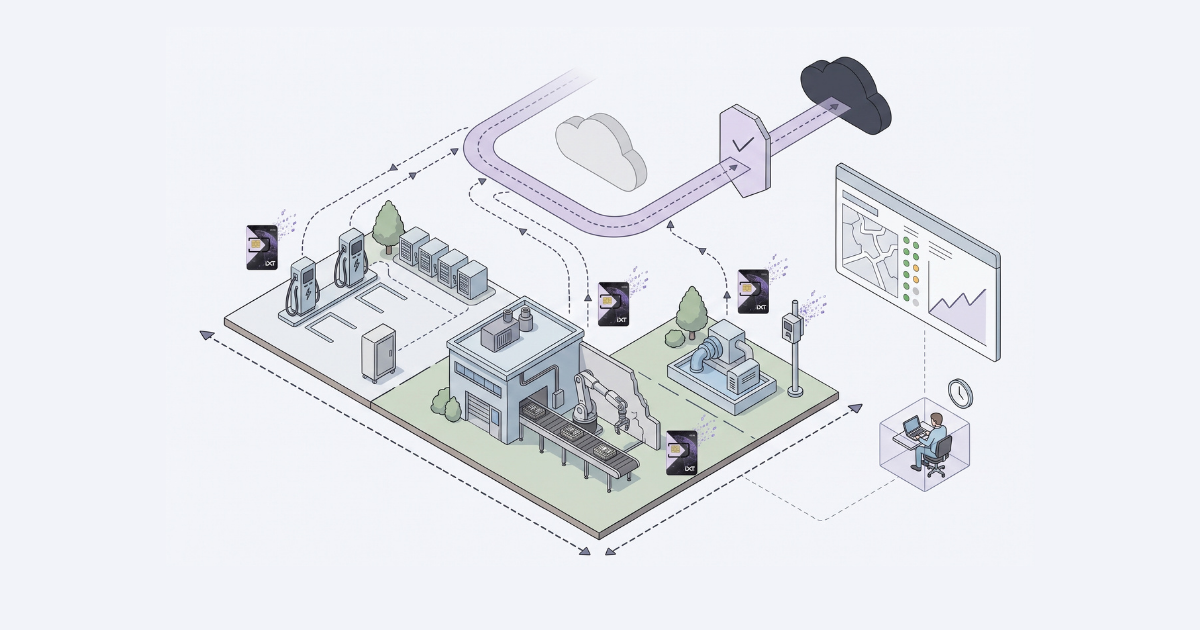
What Is the Network Layer in IoT Connectivity
The network layer connects and secures IoT devices using protocols like MQTT, CoAP, and cellular. Here is how it fits into IoT architecture.
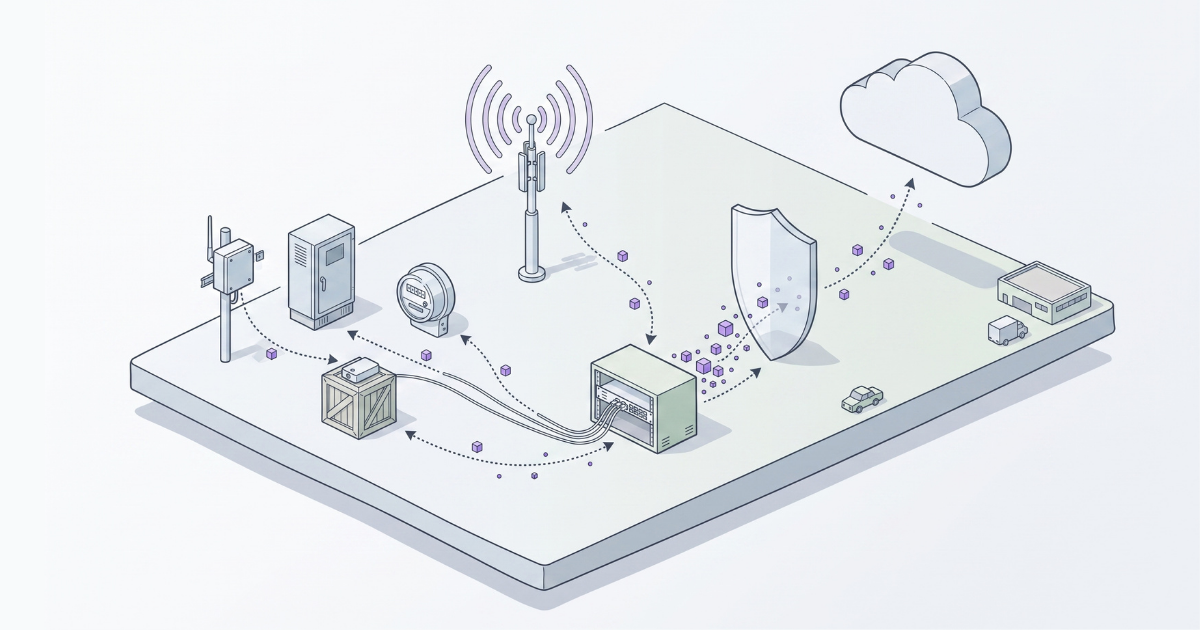
The network layer connects and secures IoT devices using protocols like MQTT, CoAP, and cellular. Here is how it fits into IoT architecture.
Filter articles
Compare global IoT connectivity providers on core control, permanent roaming, Zero Trust, real-time visibility and NIS2 evidence. Seven questions to ask.
Most IoT devices cannot run security software. Zero Trust protects them anyway, using identity and network policy instead of an agent.
What NIS2 Article 21(2) asks of IoT and OT connectivity: segmentation, access control, visibility, resilience and audit trail, and who owns each part.
A practical guide to global IoT SIMs: how multi network access works, where roaming models break down, and what to check before you commit to a provider.
How to give third party vendors remote access to industrial devices without a VPN, using session level control, full auditing and Zero Trust at the network layer.
SIM, eSIM and iSIM compared for multi country IoT deployments, covering roaming compliance, remote provisioning and long term operational fit at fleet size.

A practical guide to designing multi-IMSI failover for global IoT fleets: profile strategy, switching policy, testing, redundancy limits and procurement questions.
A private APN keeps industrial IoT traffic off the public internet. Inside, it stays a flat network. Here is what it protects and what it leaves open.