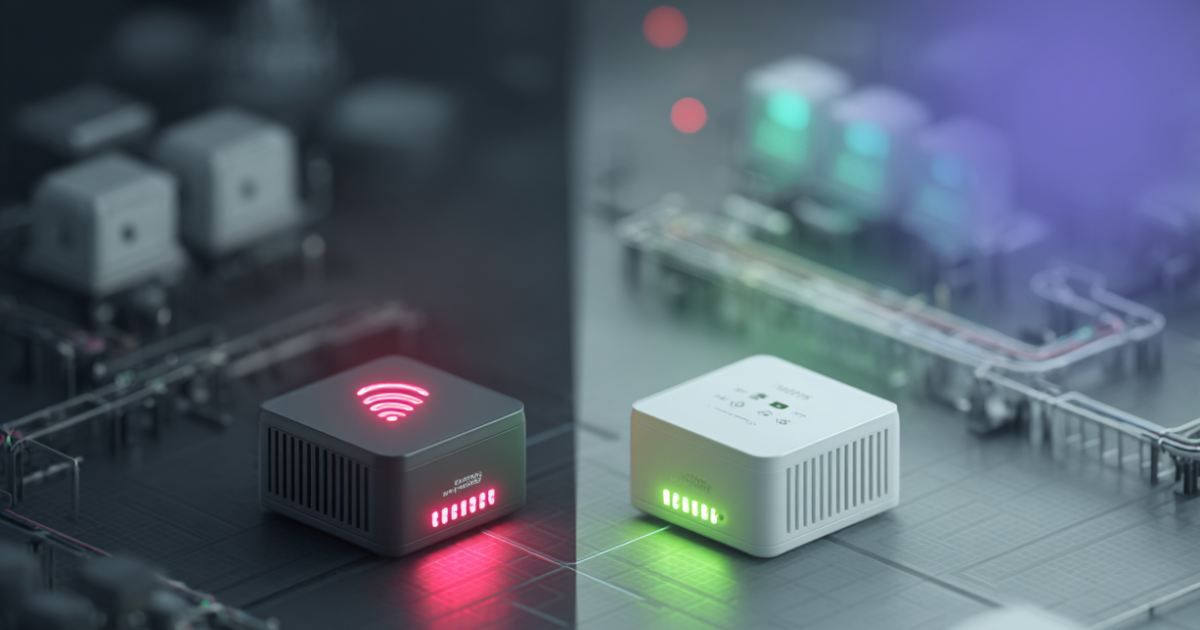
Your customer calls. Their device is offline. Is it hardware? Firmware? The cellular network?
You have no idea, because your connectivity dashboard shows data from yesterday.
This is the support burden device manufacturers inherit when they treat connectivity as an afterthought. And it gets worse as your installed base grows.
82% of companies have experienced unplanned downtime in their operations. When connected devices contribute to that downtime, the OEM gets the blame. Not the network. Not the carrier. You.
Connectivity problems look like product problems
When a gateway stops reporting data or a telematics unit goes silent, your customer does not troubleshoot the cellular network. They call your support line. They open a ticket against your product.
Your support team then spends hours trying to determine whether the issue is hardware, firmware, or network-related. Without real-time visibility into connectivity status, they are working blind.
This creates three costly problems:
First, engineering time gets diverted from product development to firefighting. Your best people spend their days diagnosing issues instead of building the next product version.
Second, truck rolls get dispatched for "broken" devices that turn out to be network problems. A technician drives to site, inspects the hardware, finds nothing wrong, and returns. The device reconnects on its own two days later when the local carrier resolves an outage you never knew about.
Third, customer trust erodes. Every unexplained outage makes your product look unreliable, even when your hardware and software performed exactly as designed.
In manufacturing environments, unplanned downtime costs up to 200.000 EUR per hour. If your connected equipment contributes to that downtime, you lose the customer. Not to a competitor with better hardware. To one with more reliable connectivity.
Why connectivity downtime happens
Most connectivity failures trace back to architectural decisions made early in product development. Decisions that seemed reasonable at the time, but create fragility at scale.
Single-network SIMs are the most common culprit. Your device works perfectly in your test environment because you chose a carrier with strong coverage in your office park. Then a customer deploys in a rural industrial site where that carrier has weak signal. Or the carrier has a regional outage. Your device goes offline, and you have no fallback.
Coverage gaps compound this problem. A SIM locked to one network cannot connect to alternatives, even when other carriers have strong signal at that exact location.
Roaming failures add another layer. Devices that work in your home market fail when customers deploy them across borders. Network handoff logic varies by carrier, and edge cases that never appeared in testing become daily support tickets.
The final factor is stale visibility. Most connectivity management platforms update data every 24 to 48 hours. When a device goes offline at 9am Monday, you might not see it until Wednesday morning. By then, your customer has already called, escalated, and questioned whether your product is fit for purpose.
Real-time visibility changes this equation entirely. When you know a device is offline within minutes, you can proactively contact the customer, diagnose remotely, and resolve before frustration builds.
Explore the benefits of real-time visibility in the IXT CMP.
Designing downtime out of your product
These are architectural decisions, not procurement decisions. Make them early in your product development cycle.
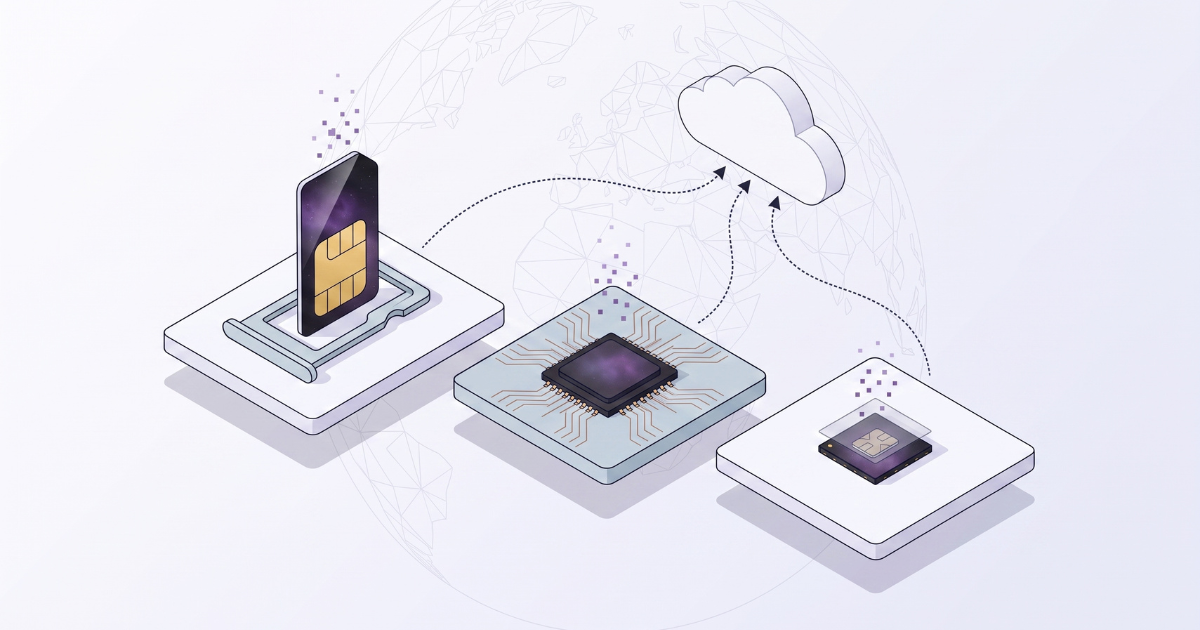
Multi-network access means SIMs that connect to multiple carriers per country. If one network fails or has weak coverage at a deployment site, devices automatically connect to alternatives. This is not roaming in the traditional sense. It is local network redundancy, where your device always has options.
Real-time visibility means management platforms that show current status, not yesterday's status. When a device goes offline, you should know within minutes. This lets you diagnose remotely, identify patterns across your fleet, and often resolve issues before your customer notices.
IXT's Connectivity Management Platform provides this real-time data, compared to the 24-48 hour delays common with other providers. For support teams, this is the difference between reactive firefighting and proactive management.
Automatic failover rules let you pre-configure logic that handles common scenarios without manual intervention. Network outage? Switch carriers. Data usage spike suggesting a fault? Alert the operations team. Roaming failure in a new market? Fall back to an alternative network while logging the issue for review.
Remote diagnostics give you the ability to query device connectivity status, run network tests, and restart connections without dispatching a technician. When you can resolve 80% of connectivity issues remotely, your truck roll costs drop dramatically.
The business case for connectivity architecture
Frame this as product quality, not IT operations. Your connectivity architecture directly affects three metrics that determine product success.
Support cost per device is the first metric. Every ticket costs money to resolve. If connectivity issues generate even one extra ticket per device per year, that cost scales linearly with your installed base. Better connectivity architecture means fewer tickets per device, which protects your margins as you grow from hundreds to thousands to tens of thousands of deployed units.
Customer lifetime value is the second metric. Customers who experience unexplained downtime churn faster. They also talk to peers in their industry. A reputation for unreliable connectivity, even when the root cause is network-related, follows your brand.
Engineering leverage is the third metric. When your support team can diagnose and resolve connectivity issues quickly, your engineers stay focused on product development. This compounds over time. Companies that get connectivity right ship faster because they are not constantly interrupted by field issues.
The math is straightforward for hardware that generates revenue. An EV charger earns 2,500 EUR to 8,500 EUR per month. A few weeks offline costs thousands in lost revenue for your customer. 72% of drivers say they will not return to a site where charging failed. Your customer's business depends on uptime, which means their loyalty depends on your connectivity decisions.
Predictive maintenance enabled by real-time connectivity data reduces downtime by 28% on average. But this requires current information, not data that is already a day or two old when you see it.
Connectivity reliability is a product design decision
The choices you make now about connectivity architecture will shape your support costs, customer satisfaction, and ability to scale for the next five to ten years.
This is not about finding a cheaper SIM. It is about building a product that stays connected in the field, gives you visibility when problems occur, and does not turn your support team into a cellular network help desk.
The companies that get this right treat connectivity as a core product component, not a line item to minimise. Their devices work. Their support costs stay flat as they scale. Their customers renew.