Everything you need to know about OT vendor access
How to give third party vendors remote access to industrial devices without a VPN, using session level control, full auditing and Zero Trust at the network layer.
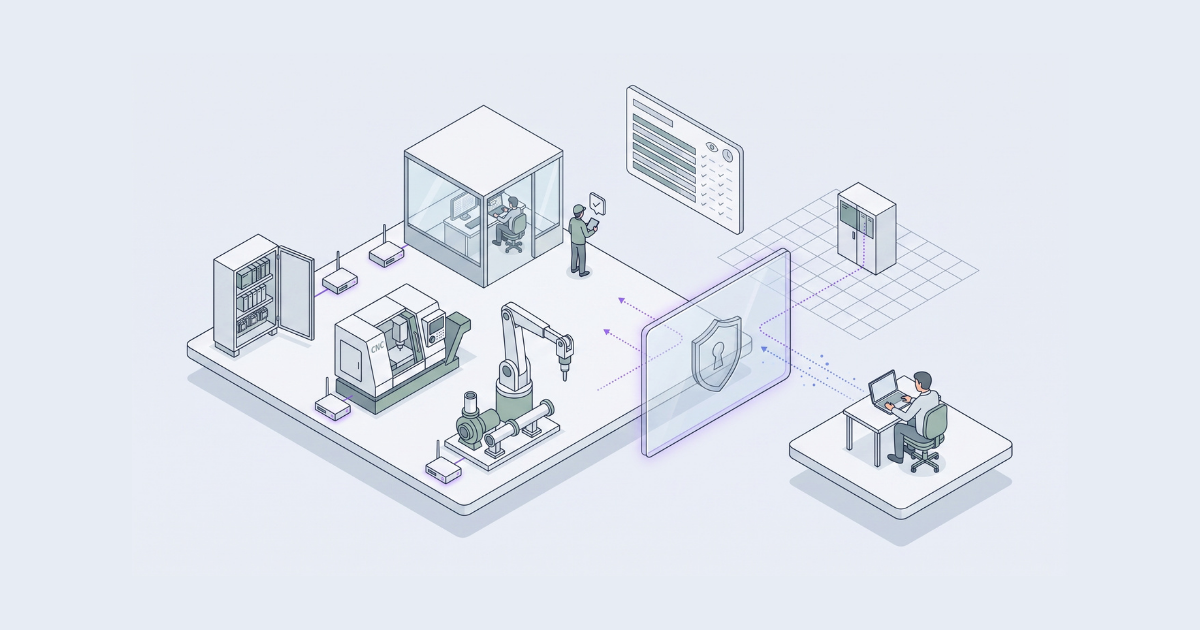
How to give third party vendors remote access to industrial devices without a VPN, using session level control, full auditing and Zero Trust at the network layer.
Filter articles
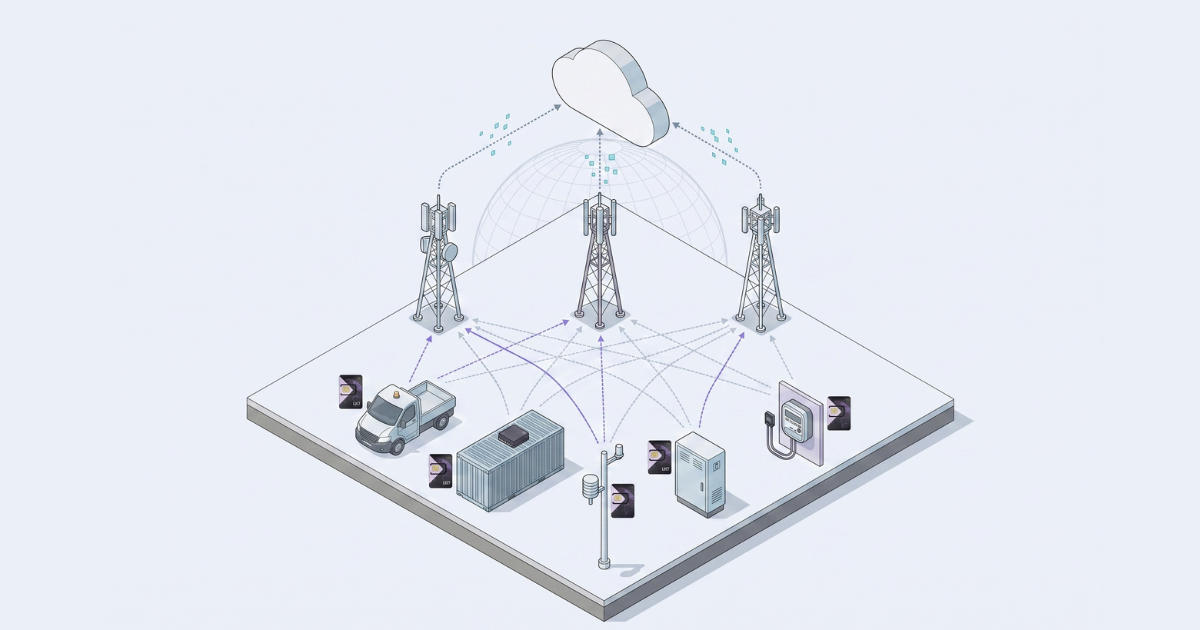
Multi-IMSI and eUICC give a global IoT fleet more than one route onto a network. Design criteria, failure modes, and the tradeoffs to plan for.
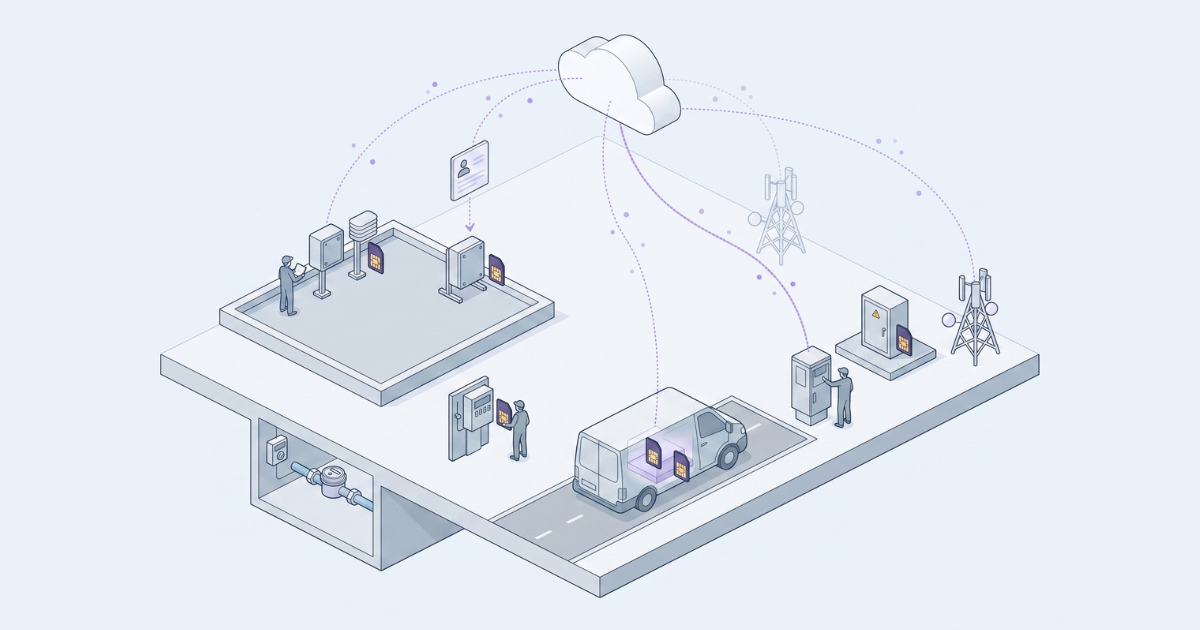
Provider portability decides whether you get to change IoT connectivity supplier. What locks fleets in, what SGP.32 changes, and how to test for it.
Permanent roaming restrictions create compliance risk for IoT fleets. How to design local connectivity using multi-IMSI, eUICC, and managed network control.
Which markets restrict permanent roaming for IoT, why devices get disconnected, and how multi-IMSI, eUICC, and local profiles keep deployments compliant.
Permanent roaming restrictions strand IoT devices. Here is how local IMSI, multi-IMSI and eUICC provisioning replace it, and how to move a live fleet.
IoT vendor lock-in lives in the SIM, the identity, the platform and the term. Here is how to test a connectivity provider properly before you sign.
SGP.32 can simplify profile changes, lower fieldwork, and improve IoT flexibility at scale.
The five layers of a modern IoT connectivity architecture, from SIM identity to Zero Trust enforcement, and where cross-border deployments break.