Consumer Plans vs IoT Data Pooling for Fleets
IoT SIM data pooling shares one data allowance across a whole fleet. Here is how it works, and why consumer family plan logic breaks at fleet size.
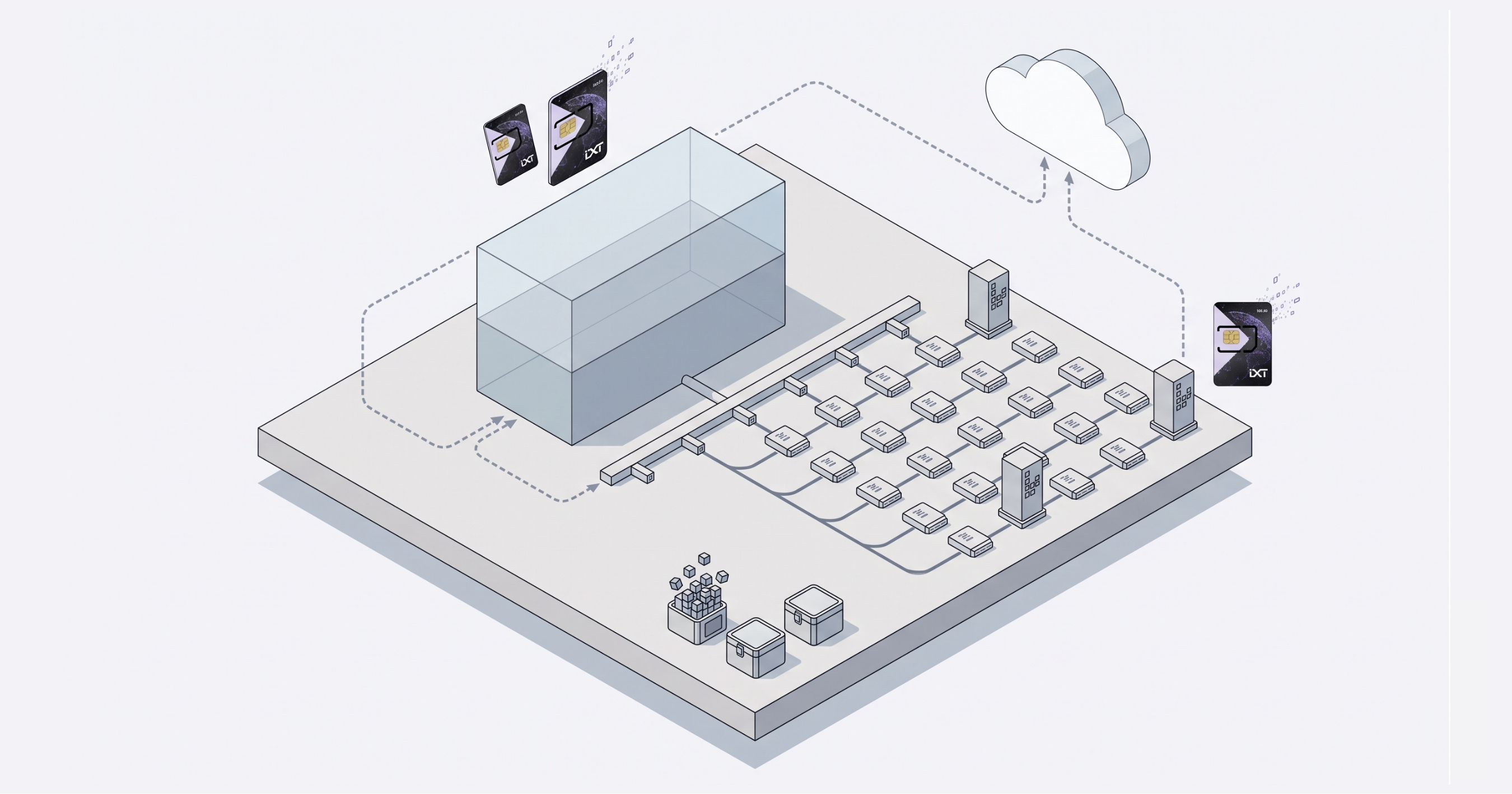
IoT SIM data pooling shares one data allowance across a whole fleet. Here is how it works, and why consumer family plan logic breaks at fleet size.
Filter articles
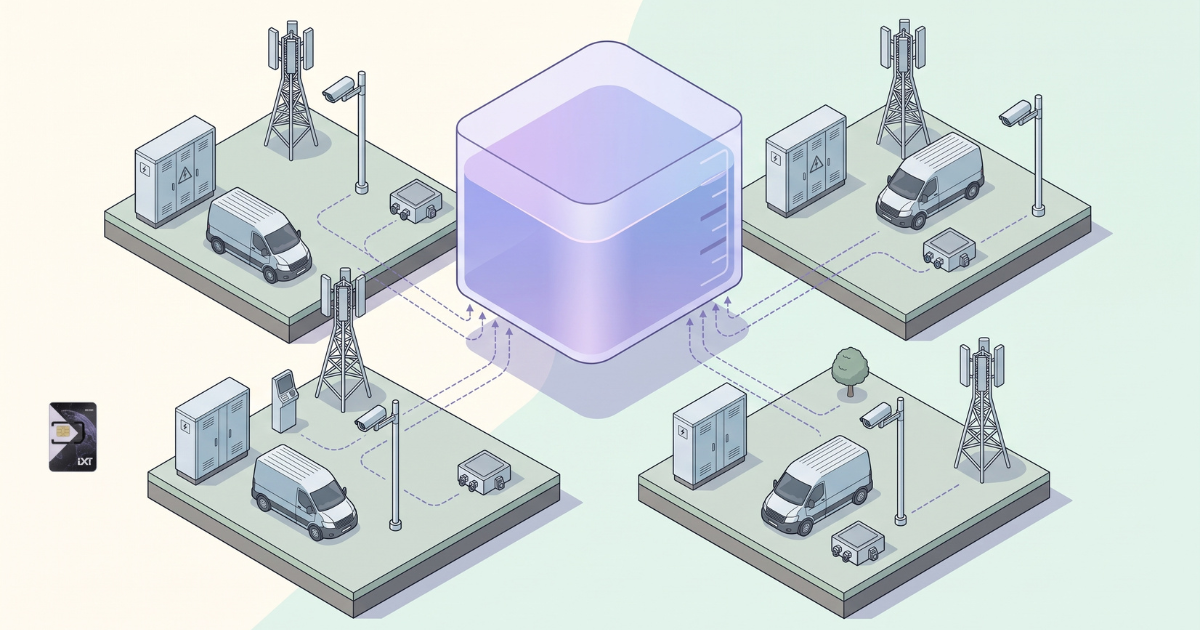
IoT SIM data pooling shares one allowance across every device and country. How pooling works, how to size a pool, and where it breaks across borders.
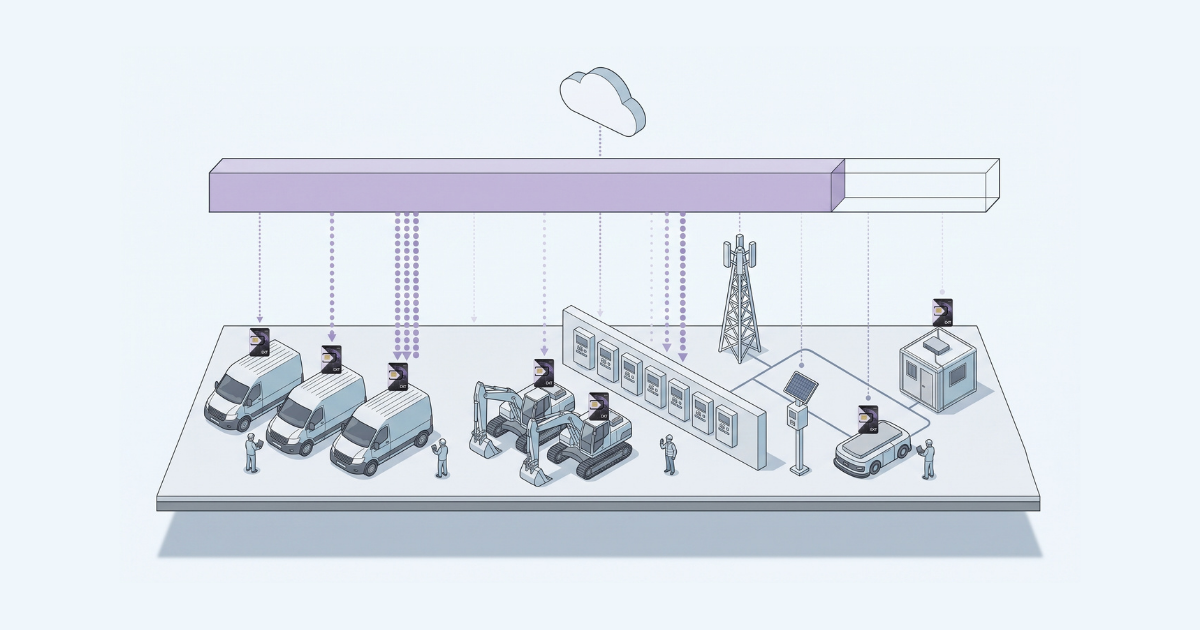
IoT SIM data pooling shares one allowance across the fleet, so busy devices draw on idle ones. How to size a pool, and what happens when it runs dry.
A vending machine that cannot connect cannot sell. How data pooling, roaming SIMs, and real-time visibility keep every machine in a fleet live.
Learn how global data pool lets multiple SIM cards share data dynamically, saving you money and avoiding overage charges while staying connected worldwide.
IoT vendor lock-in lives in the SIM, the identity, the platform and the term. Here is how to test a connectivity provider properly before you sign.
A practical guide to using shared data pools to lower IoT costs without sacrificing coverage, security, or operational control.
A global IoT SIM connects devices across countries and mobile networks on one contract. Here is how IoT SIM cards authenticate, roam, and stay under control.
A clear guide to enterprise IoT SIM cards in 2026. How they work, when to use a global IoT SIM, the difference between eSIM and iSIM, and how data pooling supports large deployments.


.png)
.png)
.png)