Optimise your IoT deployment with SIM data pool
SIM data pool have emerged as an efficient and cost saving solution for organisations with IoT deployments of all sizes.
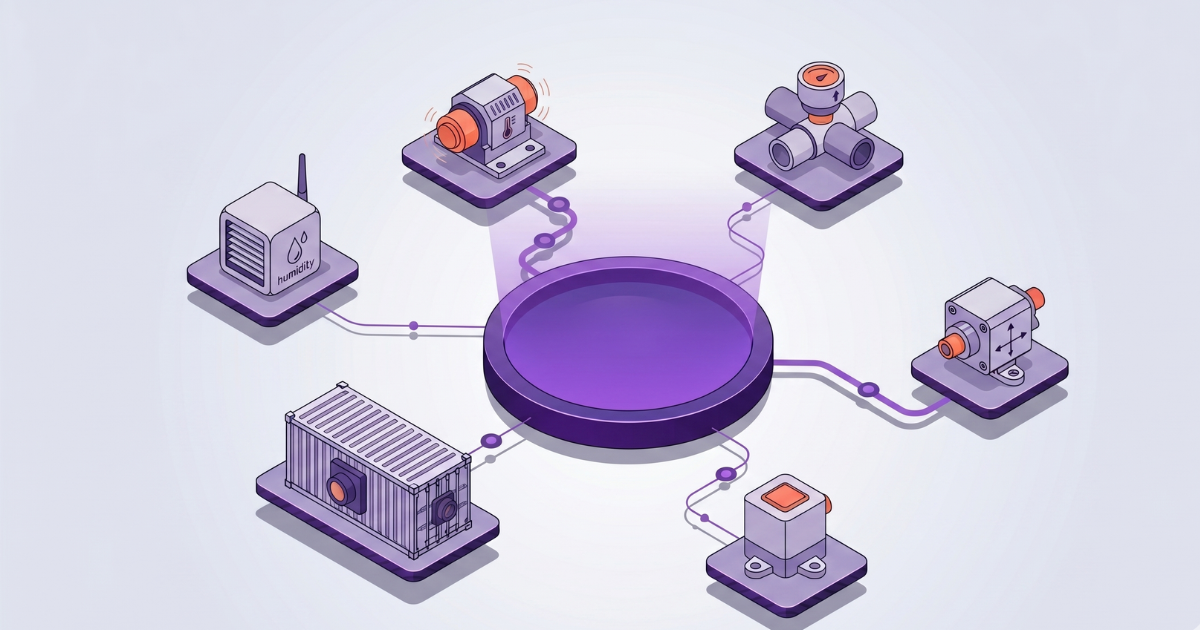
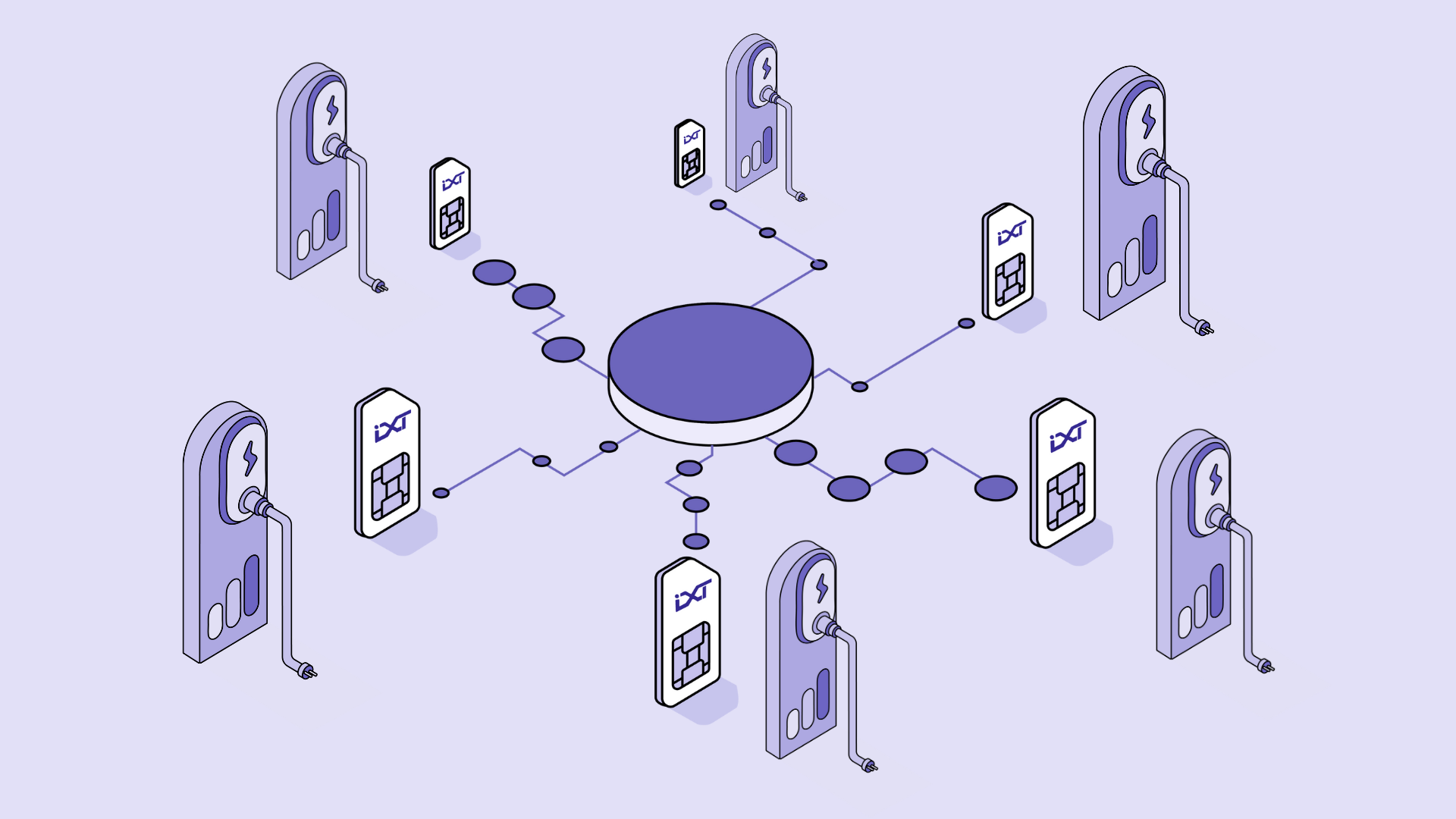
Think of a data pool as a bucket of data that all of your SIM cards can share. A global data pool let's all your SIM cards use data from this bucket, regardless where it is located in the world. The data plan adjusts according to your actual needs. Flexible and cost saving.

A global data pool is a shared allocation of mobile data that every SIM in a fleet draws from, instead of each SIM being capped at its own fixed limit. High-use devices pull from the headroom left by low-use devices, the pool works across borders, and the total is sized to the fleet's average usage rather than to any single device's worst case.
That is the short answer. The rest of this page covers how pooling actually works, where it saves money, where it does not, and how to size one for your own fleet.
11.03.2025 (updated 12.08.2026)
Picture your SIM subscription as one shared account rather than a hundred separate ones. If each SIM in a fleet of 100 is allocated 5MB, a per-SIM plan gives you exactly that: 100 buckets of 5MB, no more. A pooled plan takes the same 500MB total and lets any SIM draw from it. A tracker that reports every five minutes uses more, a sensor that reports once a day uses less, and the fleet as a whole still lands inside the 500MB ceiling.
The pool is not unlimited. It is sized at setup, based on realistic average usage per SIM multiplied by the number of active SIMs, and it can be adjusted upward as the fleet grows. Usage against the pool, by individual SIM and in total, is visible in real time through IXT's Connectivity Management Platform, with threshold alerts before the pool runs low.
Per-SIM plans create a predictable failure mode at scale: some devices exceed their allocation and trigger overage charges, while others use a fraction of theirs and the difference is wasted. Neither problem shows up until the invoice arrives.
Pooling addresses both sides of that at once.
| Per-SIM data plan | Global data pool | |
|---|---|---|
| Allocation | Fixed per SIM | Shared across all SIMs |
| Overage risk | High for variable-usage fleets | Lower, absorbed by pool headroom |
| Idle SIM waste | Unused data is lost | Reallocated to SIMs that need it |
| Cross-border behaviour | May need separate plans per country | Same pool, any country |
| Visibility needed | Per SIM | One pool level, monitored centrally |
| Best fit | Small, uniform-usage fleets | Fleets with variable usage, cross-border deployments, or that are scaling |
Uniform, low-variance usage across a small fleet is the one case where a per-SIM plan can be just as simple to run. Once usage varies by device type, or the fleet spans more than one country, pooling is the more efficient allocation for most deployments.
A data pool solves data allocation, not connectivity security or network performance. It is worth being precise about the boundary:
Pascal Technologies, a Norwegian maritime software company, runs a 5GB shared data pool across its AirHull vessel fleet. The pool covers OTA software updates and performance monitoring across vessels operating in different countries, on one predictable cost rather than a separate plan per vessel or per country. "The simplicity lets us focus on building better boats, not managing telecom contracts," says Jesper Hosen, Head of Software at Pascal Technologies.
A data pool is a shared allocation of mobile data that a group of SIM cards can all draw from, rather than each SIM being limited to its own fixed allowance. The pool total is the sum of the fleet's allocation, and usage moves flexibly between devices within that total.
The terms are often used interchangeably. "Global" specifically means the pool works the same way regardless of which country the SIM is operating in, which matters for fleets deployed across more than one market.
Yes, for most global SIM providers, including IXT. The pool is not tied to a specific country's network; SIMs draw from the same pool wherever they are connected, across the provider's supported network footprint.
Every SIM drawing from that pool is affected until it is topped up. This is why realistic sizing at setup, and threshold alerts before the pool runs low, matter more with pooled data than with individual SIM plans.
Yes, pool size can be adjusted as a fleet grows, but this is typically a customer-initiated change rather than automatic. Build in a review point at each stage of fleet growth.
If usage is uniform and the fleet is small and single-country, a per-SIM plan can be simpler to run. Pooling starts to pay off once usage varies across devices or the fleet spans more than one country.
No. A data pool manages data allocation only. Keeping IoT traffic off the public internet requires a private networking layer such as IXT SecureNet, and traffic visibility or anomaly detection requires IXT Zero Trust.
If you are running multiple SIM cards and want a flexible way to manage data across them, get in touch. We can help you work out whether pooling fits your usage pattern and how to size one correctly from the start.
We're here to help you stay connected.

Related articles
SIM data pool have emerged as an efficient and cost saving solution for organisations with IoT deployments of all sizes.
Global data pools cut industrial IoT costs by sharing data across SIMs, avoiding overages, and simplifying billing. Learn how they improve efficiency at scale.
IoT SIM data pooling lets all your devices share one data allowance. Learn how it works, why it prevents stranded data and overage fees, and what to look for in a global IoT data pool.