
5 Factors That Really Impact IoT Connectivity Costs
Discover the top 5 cost drivers for IoT connectivity, from data usage to private networking. Learn how to optimise costs without compromising performance.
Efficient data management can be crucial for the success of your IoT deployment. SIM data pool have emerged as an efficient and cost saving solution for organisations with IoT deployments of all sizes.
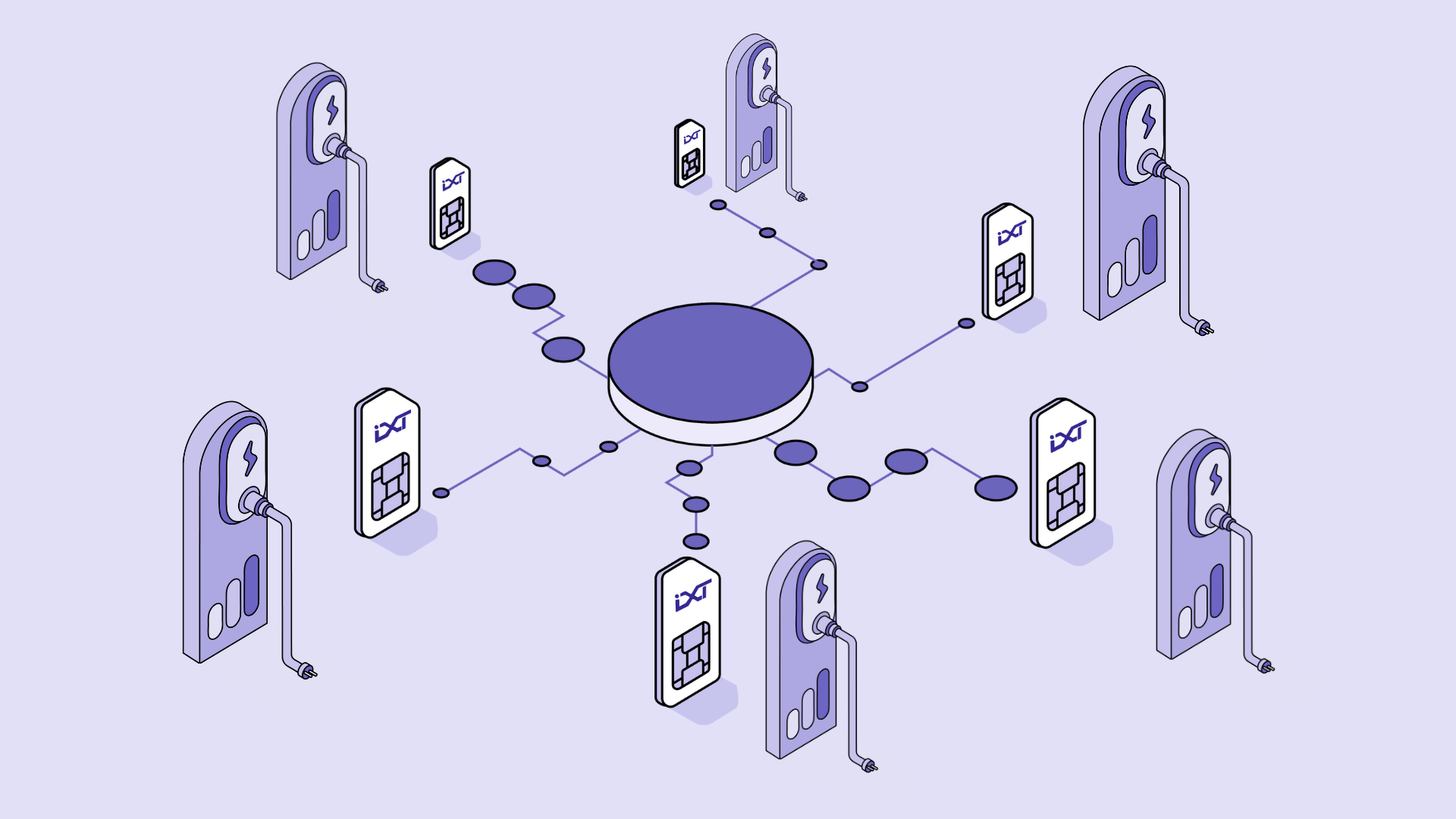
SIM data pools allow multiple SIM cards to share a common data pool, making it easier to optimise the data usage across various devices. Ensuring that no data goes to waste.
Think of a data pool as a shared "bucket" of data that multiple SIM cards can access, no matter where they are in the world. This shared data model is particularly beneficial in environments where data consumption is unpredictable or varies significantly between devices.
One of the primary advantages of using SIM data pools is the cost-efficiency it offers. Organisations can significantly reduce their overall data expenses by pooling data across multiple devices, ensuring that data allowances are used to their fullest potential.
Traditional data plans often leave businesses either paying for unused data or scrambling to add more during peak times. SIM data pools solve these problems by allowing data to be shared among devices. This approach provides the agility needed to adapt to changing market conditions and technological advancements.
If your business operates in multiple countries or regions, a global data pool eliminates the hassle of managing separate data plans for each region. All your SIM cards, regardless of their location, draw from the same shared data pool, ensuring consistent connectivity for your entire deployment.
As IoT deployments expand, businesses need to efficiently manage their data resources across growing numbers of devices. SIM data pools excel here by allowing customers to utilise the full amount of data they purchase each moth, gaining flexibility in how that data is distributed. This approach enables allocation across devices based on specific needs, redistribution from low-usage to high-usage devices, and easy addition of new devices without separate contracts. This internal flexibility within a predictable, fixed data budget provides an ideal balance of cost control and operational adaptability for growing IoT environments.
Emerging technologies like 5G and edge computing are driving the need for more efficient and scalable data management solutions. SIM data pools stand out with their inherent flexibility and cost-efficiency, ready to meet these demands head-on.
When deploying 5G technology, IoT devices will transmit larger volumes of data at faster speeds. Traditional fixed data plans would quickly become costly and inefficient in this environment. SIM data pools excel here because:
They accommodate the variable data consumption patterns typical of 5G applications
Their shared nature efficiently balances high-bandwidth and low-bandwidth device needs
The pooled approach prevents wastage while supporting devices that occasionally require data-intensive operations
Edge computing moves data processing closer to IoT devices rather than in centralized clouds. This creates new data management challenges that SIM data pools address effectively by providing flexible data allocation across both edge devices and centralised.
The ability to adjust to consolidate your data needs, coupled with global connectivity and significant cost savings, makes data pools an attractive option for businesses looking to streamline their data management.
If your business operates with multiple SIM cards and requires a flexible, cost-effective way to manage data, then a data pool might be the perfect solution. Consider your current data usage patterns, the geographical spread of your SIM cards, and your budget constraints.
By adopting a data pool, you can ensure that your business stays connected, efficient, and cost-effective in today's ever-evolving market.

Related articles
Discover the top 5 cost drivers for IoT connectivity, from data usage to private networking. Learn how to optimise costs without compromising performance.
Learn the most cost-efficient way to manage large IoT SIM fleets. Discover how data pooling, CMP tools, and multi-network SIMs cut costs and simplify global IoT deployments.
Learn how global data pool lets multiple SIM cards share data dynamically, saving you money and avoiding overage charges while staying connected worldwide.